







BRILLIANT MOVE BY THE IRANIAN PEOPLE AGAINST THEIR OPPRESSORS
 [TTP: This article is from Friday, and quite short, but the news is so delightful that it may just make your entire week! I know it did ours.]
We've seen Israel and the United States take out a lot of Iran's leaders.
The two countries have also been pounding away at their military capacity.
They've decimated their Navy, and they've taken over their skies.
"Never before has a modern, capable military, which Iran used to have, been so quickly destroyed and made combat ineffective," Secretary of War Pete Hegseth declared.
So on one level, they've already largely succeeded in taking down the military.
But how do you help the people along in rising up and overthrowing their oppressors?
There's a new report that shows the Iranian people may have figured out a brilliant answer to that question, with the help of Israel.
 John Solomon is reporting on previously suppressed information indicating that, as early as 2020, we knew the Chinese were trying to interfere in our elections, and that this intelligence was covered up.
 In all the tens of millions of words that have been written by the mainstream media about the Trump-Russia collusion story, in all the hundreds of names that have appeared within those often-breathless filings, one name almost never appears:
  [TTP: Parenting the citizens (and politicians) of the future is hard, especially in the Age of the Screen. Here is an excellent essay to assist in navigating this supremely important mission.]





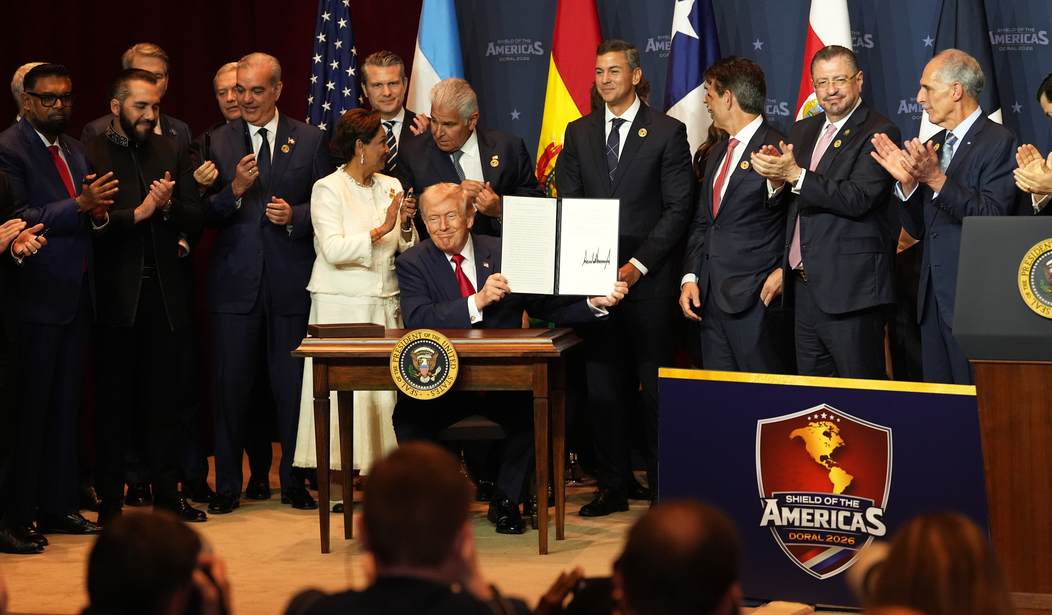 [TTP: The Shield of the Americas summit was notable in many ways, but there was a small side story that was particularly sweet. Here’s your feel-good story of the week.]
 Last week, the United States and Israel attacked Iran. They achieved an enormous tactical victory at the outset. Now, Republicans need to win the rhetorical war at home.