






IF ONLY HILLARY HAD WON
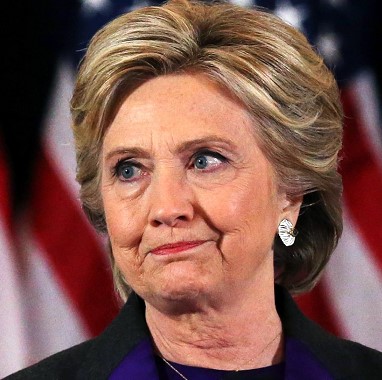 There are lots of possible counterfactuals to think about had Hillary Clinton won the presidency as all the experts had predicted.
The U.S. embassy would have stayed in Tel Aviv. “Strategic patience” would likely still govern the North Korea dilemma. Fracking would be curtailed. The — rather than “our” — miners really would be put out of work. Coal certainly would not have been “beautiful.”
The economy probably would be slogging along at below 2 percent GDP growth.
China would be delighted, as would Iran. But most important, there would be no collusion narrative — neither one concerning a defeated Donald Trump nor another implicating a victorious Hillary Clinton.
In triumph, progressives couldn’t have cared less whether Russians supposedly had tried to help a now irrelevant Trump; and they certainly would have prevented any investigation of the winning Clinton 2016 campaign.
In sum, Hillary’s supposedly sure victory, not fear of breaking the law, prompted most of the current 2016 scandals, and her embittering defeat means they are not being addressed as scandals.


 The Flight 93 Election