Okay, Trump bombed Iran. The Babylon Bee has assembled headlines from various media outlets here in one place so you can pick a little bit of the truth out of each to learn the whole story.
Here's how different media outlets are covering the historic news:
On his first day in office of his second term, President Trump signed an executive order ending anchor babies, the practice of treating kids born to illegals on U.S. soil as full-fledged citizens.
Three federal district court judges promptly issued (you’ll never guess) nationwide injunctions blocking Trump’s order. The Supreme Court is expected to rule on those injunctions any day now.
That is clearly the assumption of smug liberals sneering that Trump’s executive order is “blatantly unconstitutional,” as one injunction-happy judge put it. Their sublime confidence in the permanence of a made-up constitutional right is awe-inspiring.
In fact, the whole “birthright citizenship” scam is based on a wildly expansive interpretation of post-Civil War amendments that were designed to help blacks and former slaves.
Birthright citizenship, let alone the anchor baby con, has nothing to do with the original Constitution. And as Trump keeps saying, the post-Civil War amendments, such as the 14th, are all about slavery.
Last month (5/01), I told you about Water and Your Brain in a Live Long & Prosper column. This month, we’re going to talk about… mouthwash for your braln.
And for the same reason – to prevent what you see in the photo above: orange blobs of amyloid plaques in the brain that cause Alzheimer’s.
As we learned last month – “one of the most common causes of senile dementia and Alzheimer’s is chronic dehydration” – it turns out that another common cause of AD is gingivitis.
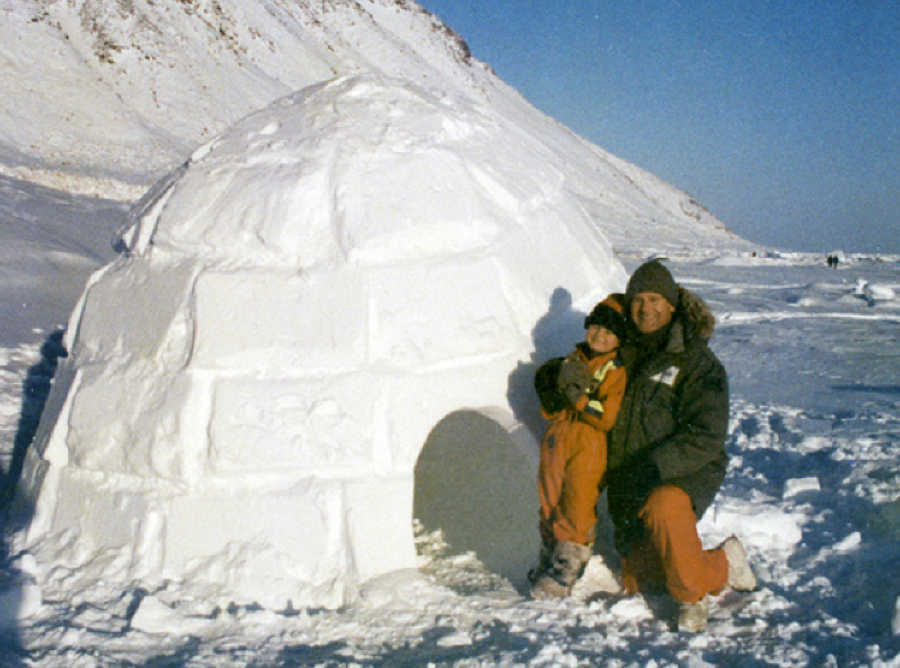
April 1990. When our oldest son Brandon was six years old, I took him with me to the North Pole. It was my 14th expedition there, and as always, we stopped to visit friends at Canada’s northernmost community, the Inuit hunting village of Grise Fiord on Ellesmere Island. Brandon thought it would be cool to sleep in an igloo, which the Inuit do only when they’re hunting seals or walrus far out on the ice.
So the villagers happily complied, showing him how they built one, carving out blocks of wind-blown snow, shaping and placing them in an inward-sloped spiral with one block on top, and packing snow as mortar between the blocks. When it was bedtime – still daylight with 24-hour sunshine by April – they lined the inside with caribou skins, which shed like crazy with hairs everywhere but sure are warm. Snuggled into our arctic down sleeping bags, we slept like stones.
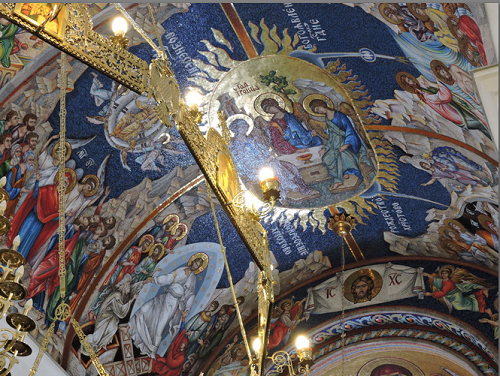
Banja Luka, Srpska. You may never have of this country, the Republic of Srpska, that takes up half the size and 40% of the population of the Balkan country of Bosnia-Herzegovina. The entire country was conquered and ruled for centuries by the Islamic Ottoman Empire, thus after the Ottomans fell in WWI and Yugoslavia broke apart after the Soviet Union fell, those Bosnians who retained adherence to Christianity through those centuries of Islamic occupation found themselves greatly outnumbered by those who had converted to Islam (“Bosniaks”). So they (Bosnian Serbs) formed their own country which remains unrecognized by every other country on the planet.
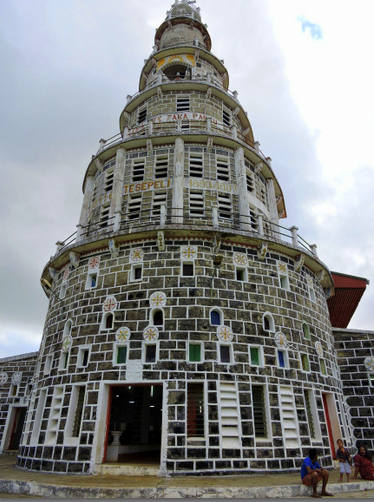
Halfway between Samoa and Fiji in the South Pacific lies the French Territory of Wallis and Futuna. It’s so hard to reach I had to charter a King Air private plane to get here in 2016. The capital is Mata-Utu on Wallis Island which the native Polynesian islanders call Uvea. French missionaries arrived at Uvea in 1837 to convert the islanders to Roman Catholic Christianity. They were Marist Brothers, a branch of the Society of Mary. Today, 99% of the native islanders are Catholic.
Bukhara is the oldest city on the fabled Silk Road. You’ve seen Glimpses of The Well of Job, where legend says Job of the Old Testament struck the ground with his staff, creating a well bubbling with fresh pure water that still flows today.
And of The Ark of Bukhara, the palace-fortress of Bukhara rulers since 500 BC. The ancient Silk Road oasis has a history of 5,000 years. I was first here in 1963, a 19 year-old teenager with a summer job of filming fabulously exotic places in Central Asia unknown to the West for a Hollywood stock film company.
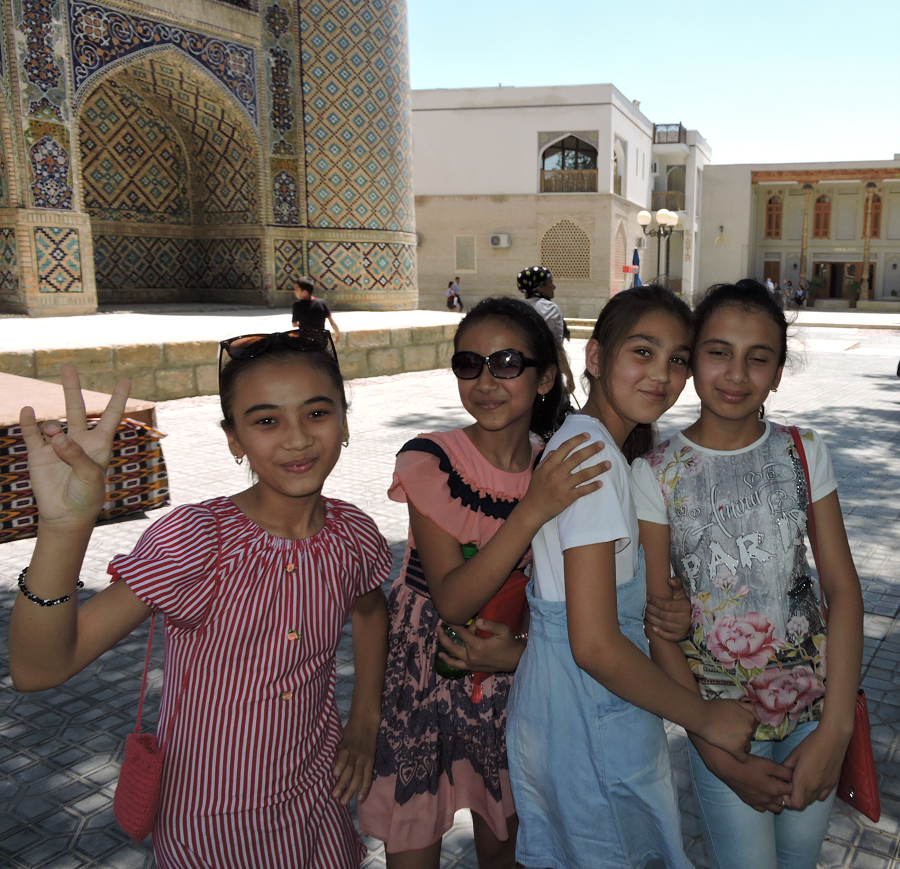
I was not much older than these teenage ladies back then. I took this picture of them when I was last in Bukhara in 2019. It was so extraordinarily lucky of me to experience such magical places as Bukhara when young. It’s enabled me to stay young at heart so many decades later.
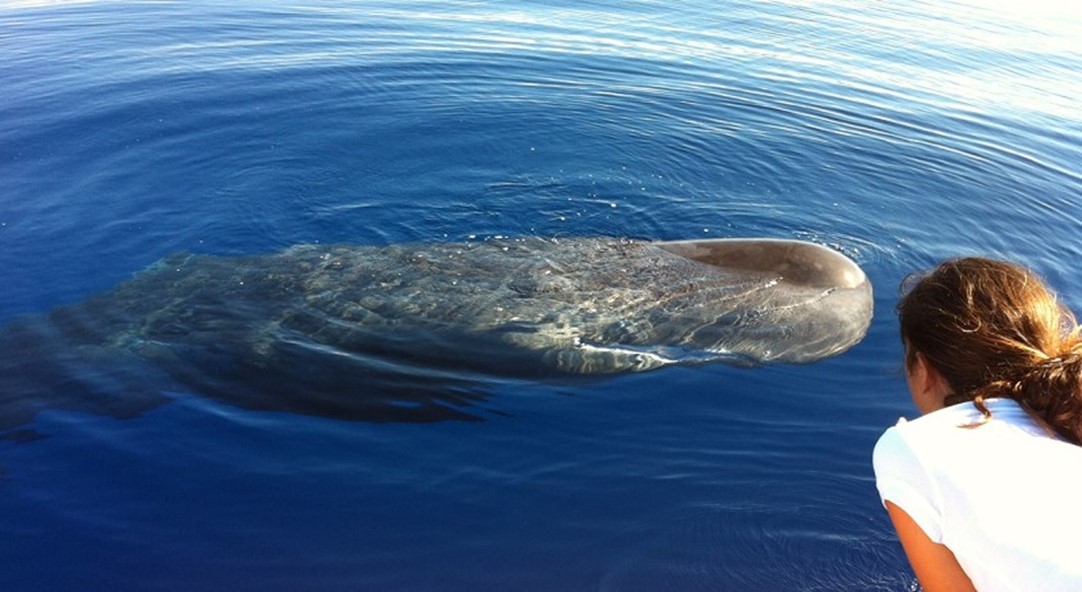
This close – if you’re at the right place at the right time in the right boat. That would be the Canal do Faial channel between the islands of Faial and Pico in the Azores, populated by more spawning sperm whales that just about anywhere else. It’s also a haven for many other whale and dolphin species on their migratory route between the North and South Atlantic.
This is one of the world’s best whale-watching sites each year in June—and we plan to be there again on our exploration of Atlantic Paradises next year.
You won’t believe how truly paradisical Madeira and the Azores are. Not just the weather and the beauty, but how safe, calm, and serene they are, how friendly everyone is – so friendly because everyone here is at peace with themselves. You’ll discover your inner peace here too. While never being bored as there’s always something exciting to see and do. Like being this close to a baby sperm whale.
You owe it to yourself to make these Atlantic Paradises a part of your life. (Glimpses of our breathtaking world #195).
EDGARTOWN, MA — With the news that the U.S. military had carried out a successful bombing operation in Iran over the weekend, former President Barack Obama was reportedly distraught that President Donald Trump had bombed the cool nuke factory he had paid for.
After several days of speculation, Trump revealed that the U.S. had carried out air strikes to destroy several of Iran's key nuclear research sites, leaving Obama despondent that the facilities he had fronted the Iranians billions of dollars to build were now gone.
"All those years of money and hard work just blown to bits," Obama was overheard saying after hearing the news of the bombings. "It took a long time to build up those cool nuke factories with the huge pallets of stacked cash we gave them. I had high hopes for that nuclear program, but now Trump has undone all of my efforts. Welp, I guess we'll head back to the drawing board to help evil governments around the globe move closer to their horrifying goals. Somebody get me Soros on the line."
A staff member at Obama's palatial Martha's Vineyard estate confirmed that the former president was saddened by Iran's failure to carry out mass death and destruction.
"He canceled his scheduled appointment at the bathhouse because he wasn't in the mood," the source said. "And when it was time for dinner last night, he wouldn't even touch his adrenochrome cocktail. I haven't seen him this disappointed since Kamala was chosen to take Biden's place."
At publishing time, Obama was reportedly looking to lift his spirits by killing off a member of his household staff during a paddleboarding trip.
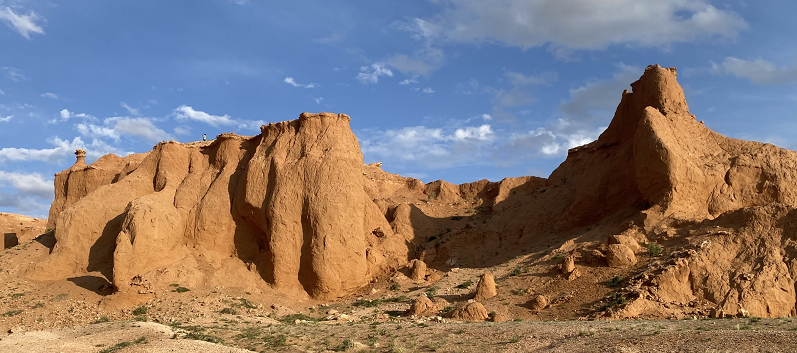
These are the Flaming Cliffs of Mongolia’s Gobi Desert, made famous by American paleontologist Roy Chapman Andrews’ discovery of dinosaur eggs here in 1923. I took this picture just a few days ago on my Explore Mongolia expedition with your fellow TTPers. Now I’m back home. Yet a part of me is still there in Mongolia’s vastness.
There’s no Internet out there so for weeks I was blissfully unaware of the outside world’s shenanigans. Only when I got back to Mongolia’s capital of Ulan Bator was I able to get online – and the first thing I did was read Mike Ryan’s HFRs of the last three weeks. They are beyond brilliant. Frankly, they are genius like no other website is graced with. Do yourself a favor this weekend by savoring them. Thanks yet again, Mike…
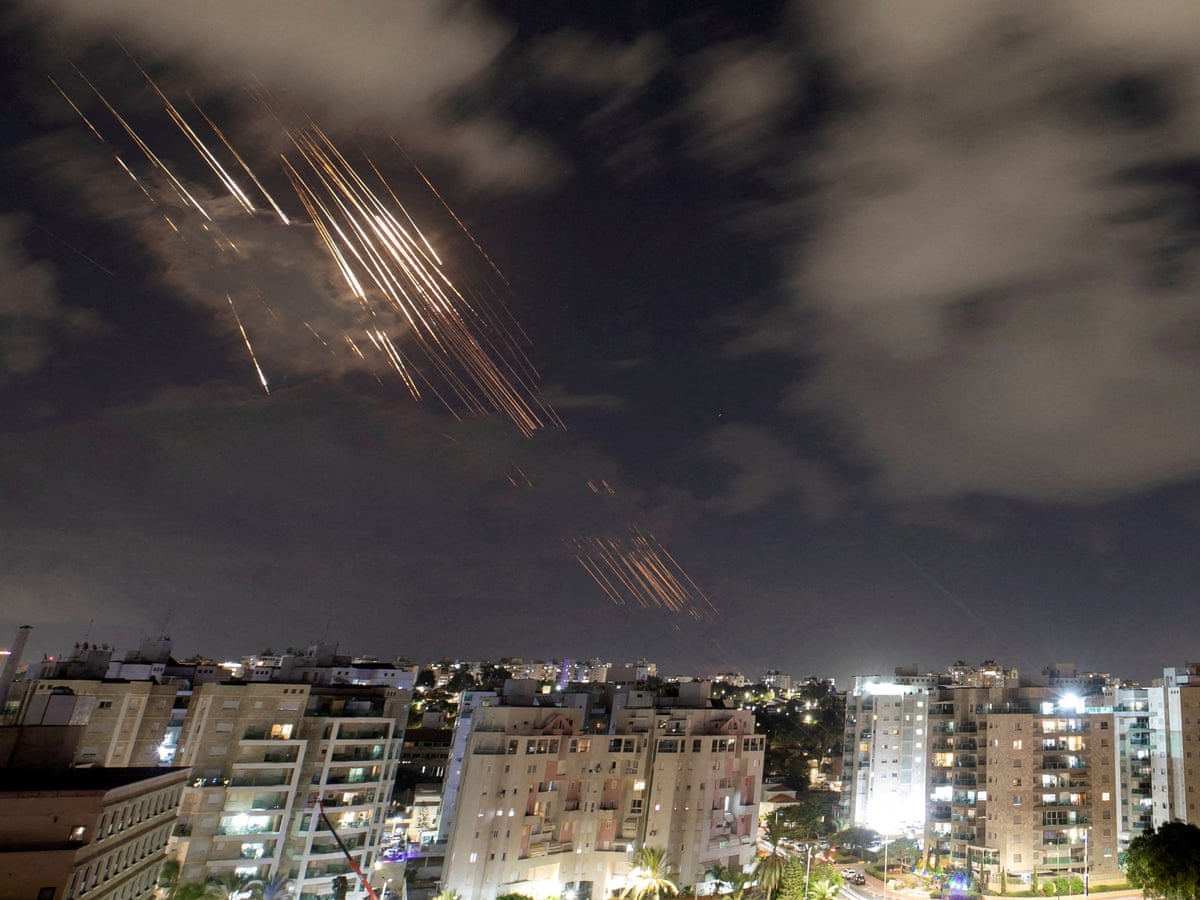
So here we go. Welcome to the Summer Solstice HFR. What say we start with what everyone in Israel is watching this morning:
[This Monday’s Archive was originally published on August 18, 2005. This “nutshell history” of Persia is obviously relevant to the current war between Israel and Mullah Iran. It also itemizes the ethnic centrifugal forces that threaten to tear Iran apart. This will provide historical context to the headlines of today.]
TTP, August 18, 2005
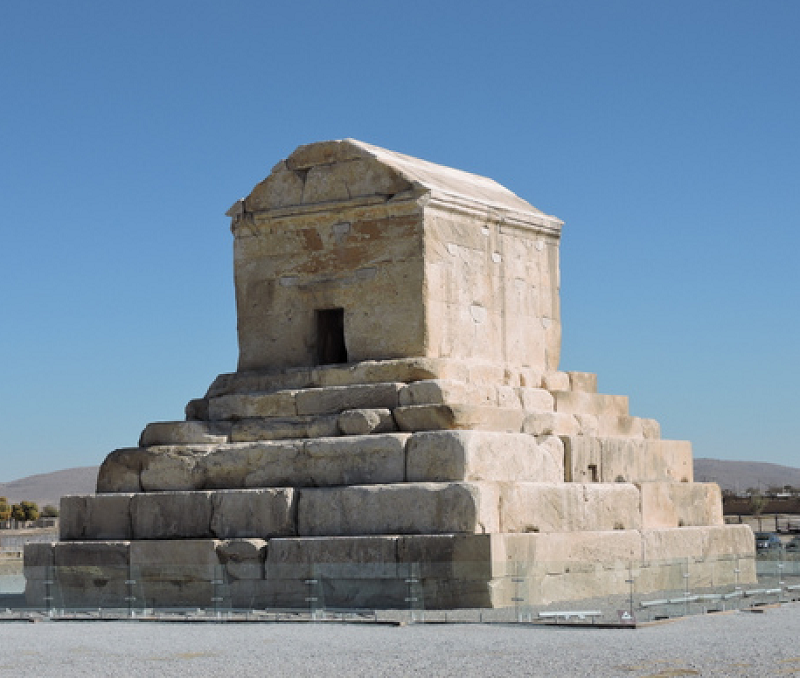
The war between Persia and the West is very ancient, well over a thousand years older than the war between Islam and Christianity.
We could call the ebb and flow of Persia vs. the West for two and a half millennia the Persian Ratchet, as over the centuries it ratchets up and down.
This prelude should put in perspective that the ancient fight between Persia and the West has now ratcheted up once again, this time against us, with America demonized as the Great Satan. Once again, it is a duel to the death – for that it is what the Mullahs who run Iran have decided it must be, and so it shall be.
[I wrote this in September, 2018. There was optimism back then that Trump 45 would rid Iran of its Mullah pestilence. He may have done so had the Dems not stolen his presidency in 2020. Now Trump 47 may succeed. This is a companion piece to Catherine Salgado’s today on the Shah’s impending return as the Mullah regime collapses. There is again Persian Hope. Enjoy the photos I took as well.]
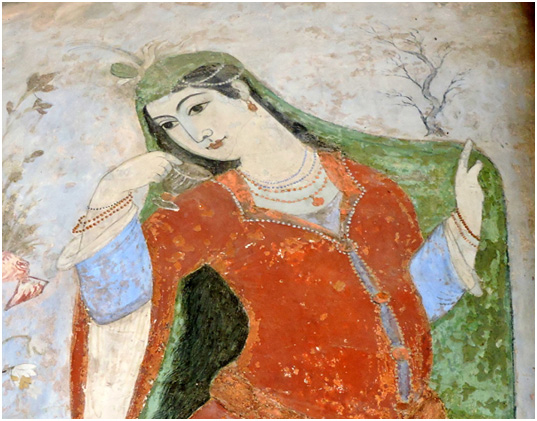
Fresco of a Persian woman, Ali Qapu Palace, Isfahan, early 1600s – JW photo
Shiraz, Iran. “Where are you from?” the Iranian man asked me.
With a big smile, I happily answered, “America.” He responded with a smile of his own. “Ah, America… America Number One!”
He hooked his two index fingers together. “American people, Iranian people, good… friends.” He unhooked his fingers and waved his hand in a gesture of contempt. “Governments, no good.” We both belly-laughed.
This took place in November of 2014, when our government meant the despised Obama to him. It doesn’t mean that any longer. Iran is back in the news this week, with President Trump delivering a clear condemnation in his brilliant speech to the UN General Assembly Tuesday (9/25):
“We cannot allow the world’s leading sponsor of terrorism to possess the planet’s most dangerous weapons. We cannot allow a regime that chants “Death to America,” and that threatens Israel with annihilation, to possess the means to deliver a nuclear warhead to any city on Earth. Just can’t do it.
We ask all nations to isolate Iran’s regime as long as its aggression continues. And we ask all nations to support Iran’s people as they struggle to reclaim their religious and righteous destiny.”
Thus I am optimistic that there’s hope for Iran. The long – two thousand five hundred year long – history of Persia and the West is what I call The Persian Ratchet. An ebb and flow that ratchets up and down over the centuries. I’ve appended a summary of this history at the end. Note it includes why Persia had its name changed to Iran in 1935.
Note also that history comes after photos of mine that I’m sure you’ll enjoy. For now, let’s talk about the Iranian people I met a little while ago, for it is they, not their government, that give me hope.
Crown Prince Reza Pahlavi speaks to the Iranian people, Tuesday June 17, 2025
In Tehran and cities throughout Iran, Iranians are today chanting enthusiastically about the anticipated fall of the “Islamic Republic” regime and the potential return of the Crown Prince, heir to the ancient throne of Persia.
While it is unclear exactly the extent of the damage Israel has inflicted on Iran and whether or not the current genocidal regime will fall because of it, Crown Prince Reza Pahlavi confirmed that Iranian soldiers and officials have reached out to him, and he urged the Iranian people to rise up, announcing he already has a plan for renewing Iran should he come to power again.
In his message above, Pahlavi condemned the violence, cowardice, and destructiveness of Ayatollah Khamenei and co., and confidently predicted that the collapse of the regime there is irreversible. “We are prepared for the first hundred days after the fall, for the transitional period, and for the establishment of a national and democratic government — by the Iranian people and for the Iranian people,” he vowed.
Pahlavi is an advocate for a Westernized, secularized government in Iran. Think of what that would mean for the Middle East. And indeed the world.
Iran bet on bluff and delay—but lost its proxies, deterrence, and leverage, leaving a regime rich in threats but bankrupt in power.
Iran apparently had not adjusted to its new 2025 status—or maybe it had.
Most of its bought terrorists are currently either destroyed or anemic.
There is no more ascendant Iranian “Shia crescent” in the Middle East.
Russia is no longer a Middle East power, patron, and protector.
The Assad dynasty imploded, flipping Syria from an Iranian proxy into a likely Iranian enemy.
Hezbollah, once supposedly the most fearsome of all the Iranian terrorist tentacles, was humiliated and neutered by a series of surreal Israeli operations.
With the end of the Biden administration and Obama a distant memory, Iran lost all hope that it could bluster, bluff, and negotiate itself out of sanctions and embargoes—and into nuclear weapons.
There are no more John Kerrys or Antony Blinkens in charge, eager to meet Iranian demands. Ben Rhodes’s “echo chamber” Iran Deal is ancient history.
Israel had done more than all of America’s Middle East wars or all of NATO’s global presence to end Iran’s claims on power and the ability to project its brand of terror and fear throughout the Middle East.
So why did a neutered Iran still sound like the fiery Iran of old, when it once terrorized the Middle East and sent its assassination teams worldwide, with its nearly weekly loud threats to wipe out the one-bomb “Zionist entity?”
What was Iran thinking in refusing to negotiate seriously with the Trump administration to disband its nuclear weapons program and “normalize” its role in the Middle East?
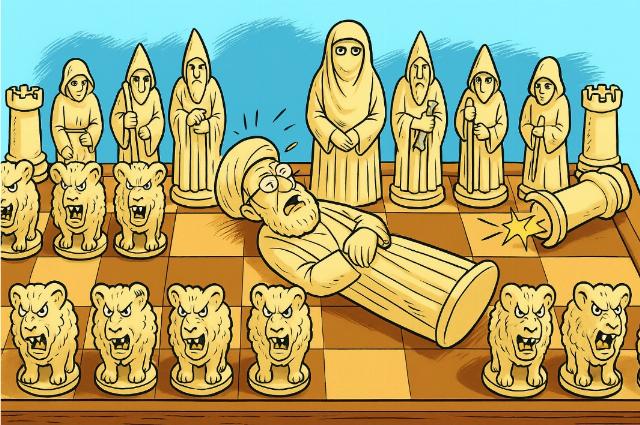
While chess originated in India, the game as we know it came from Persia (now known as Iran).
It was from Persia that the term for the final, winning move came: “Checkmate.”
The original Farsi phrase is “shāh māt,” which literally means “the king is dead.”
No matter how fast or slow a chess game, whether it takes minutes or weeks, it ends when the king is dead.
Israel has taken note of that fact and has decided to fight a new type of warfare, ignoring the pawns and killing the king in the first instance.
Of the world’s 1.6 billion Muslims, about 7-10% of them are “in it to win it.”
While 10% is a small percentage, 160,000,000 fanatics are still a good-sized global army, and many of them are troops in the Iranian Revolutionary Guard Corps.
They will fight to the death, buoyed up by promises of martyrdom’s rich rewards (mostly creepy sex but, perhaps, a glut of fine raisins).
But no matter how fanatic your troops are, they still need leaders.
Think of them as savage sheep.
If led to battle, they’ll fight fiercely, but if there is no shepherd, they lose the plot, often becoming frightened or disheartened, and almost all will scatter.
It’s this savage sheep concept that gets me to my chess metaphor.






 On his first day in office of his second term, President Trump signed an executive order ending anchor babies, the practice of treating kids born to illegals on U.S. soil as full-fledged citizens.

 EDGARTOWN, MA — With the news that the U.S. military had carried out a successful bombing operation in Iran over the weekend, former President Barack Obama was reportedly distraught that President Donald Trump had bombed the cool nuke factory he had paid for.
 Iran bet on bluff and delay—but lost its proxies, deterrence, and leverage, leaving a regime rich in threats but bankrupt in power.
 While chess originated in India, the game as we know it came from Persia (now known as Iran).