



PETE HEGSETH WILL DE-WOKE THE PENTAGON AND RESTORE THE MILITARY’S MISSION
 Powerful forces are out to derail Pete Hegseth’s bid to become secretary of defense and carry out President-elect Donald Trump’s plans to reform the Pentagon.
The Army veteran and former Fox News host has been hammered by a stream of inflammatory accusations in recent days, from past allegations of sexual assault to absurd and baseless claims that his faith-based tattoos reveal him as a white supremacist.
Hegseth, of course, has never faced criminal charges, has never been connected to any white supremacy groups or activities and has never deviated from his loyalty to country — so these preposterous attacks merely reveal the desperation of those seeking to subvert his confirmation.
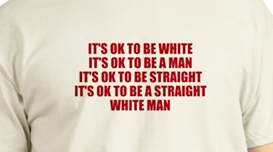
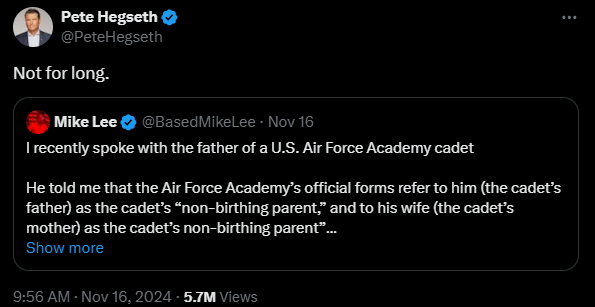
Why? Because, after a groundless 10-year war in Iraq and a 20-year stalemate in Afghanistan, the US military is embroiled in a culture war — another war it seems to be losing. It’s a good thing they’ll lose it to Pete Hegseth.


 [Note by JW – this is Dr. Joel at the top of his game. Read, absorb, and consider sending it to anyone you know whom you think could benefit from it.]