





THE FALL OF VLADIMIR PUTIN IS NOW ONLY A MATTER OF TIME
It has been the most efficient offensive of the entire war. Ukrainian intelligence identified the Russians’ weak points. Special forces crossed the frontier in advance to prepare the ground. And when the attack on the Kursk oblast came on 6 August, it was a textbook example of what strategists call an all-arms maneuver.
This is the most significant Ukrainian victory in two years. Russian infrastructure is being degraded, bridges thrown down, gas installations hit. More airfields, refineries and supply depots are now within range. The gas plant in Sudzha has had its rail links cut. The nuclear power station in Kursk is at risk. Around 130,000 Russian civilians have been displaced.
What is Ukraine’s strategic goal? As is often the case, the offensive had a chief objective and several secondary ones. The principal aim was to alter the calculus within Russia, making the war less attractive and turning key figures against the man determined to prosecute it at any cost, Vladimir Putin. But before we come to that, let us consider what else Ukraine hoped to achieve.
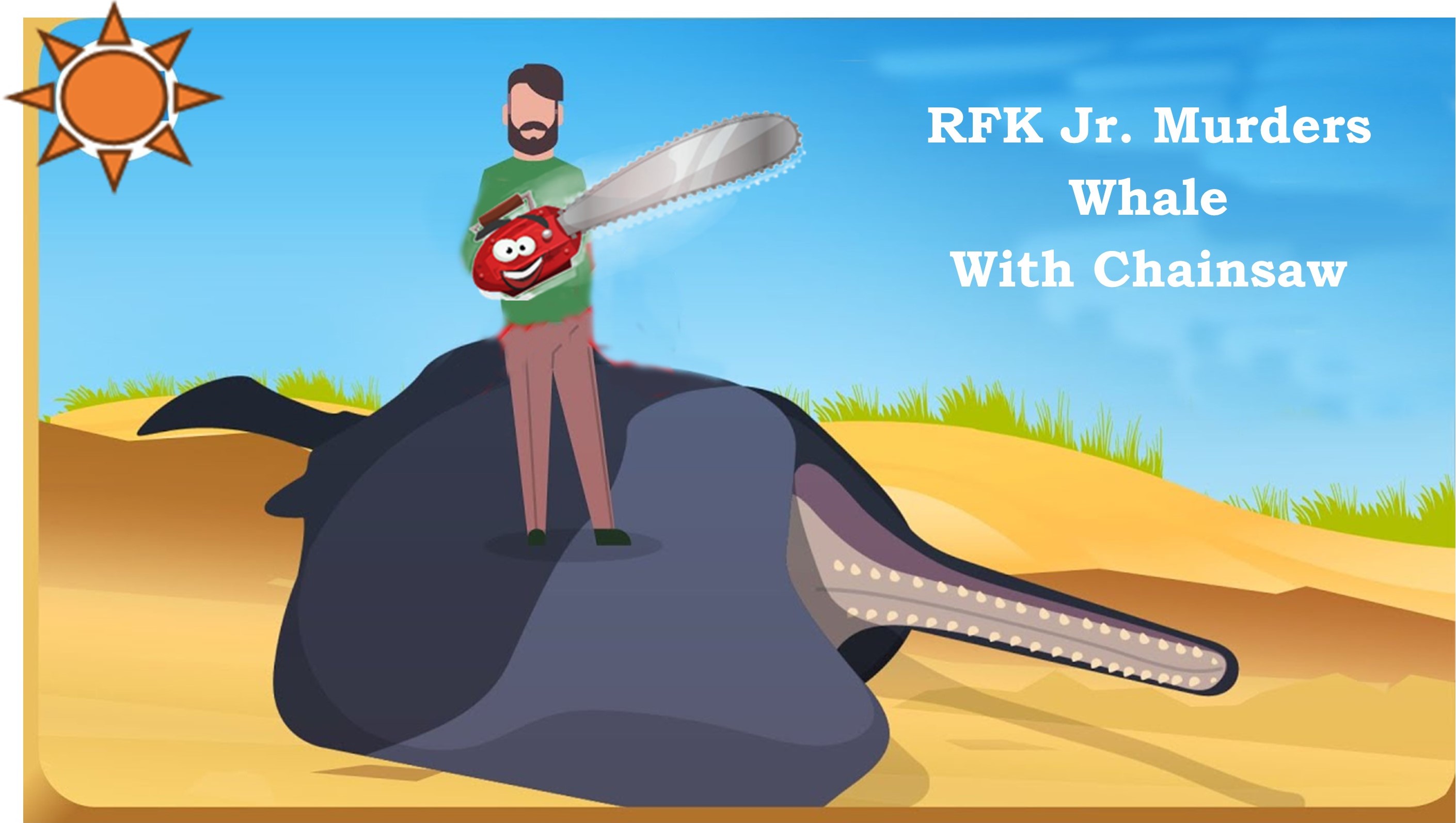

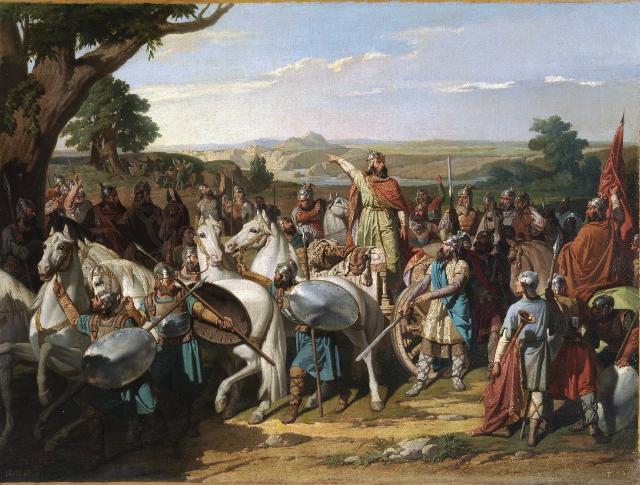 A long time ago, Charles Martel, uncrowned ruler of the Franks, led his Christian army to victory over the forces of Arab commander Abd al-Rahman al-Ghafiqi at the Battle of Tours (October 10, 732 C.E.).
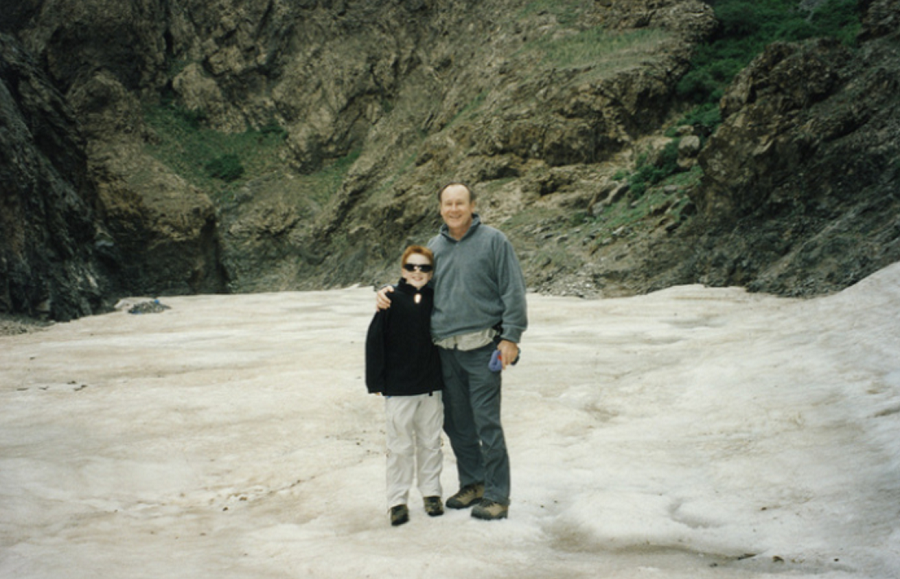 June 2002, the Vulture’s Mouth Glacier. In the deepest heart of the Gobi Desert of Mongolia, south of the Flaming Cliffs where Roy Chapman Andrews discovered dinosaur eggs in the 1920s, there is a naked spine of mountains called the Gurvan Saihan. In the Gurvan Saihan there is a deep gorge called Yol Alyn, the Vulture’s Mouth. And in the Vulture’s Mouth, there is a glacier.


 Douglas Murray’s DNC Oscars are a hoot:


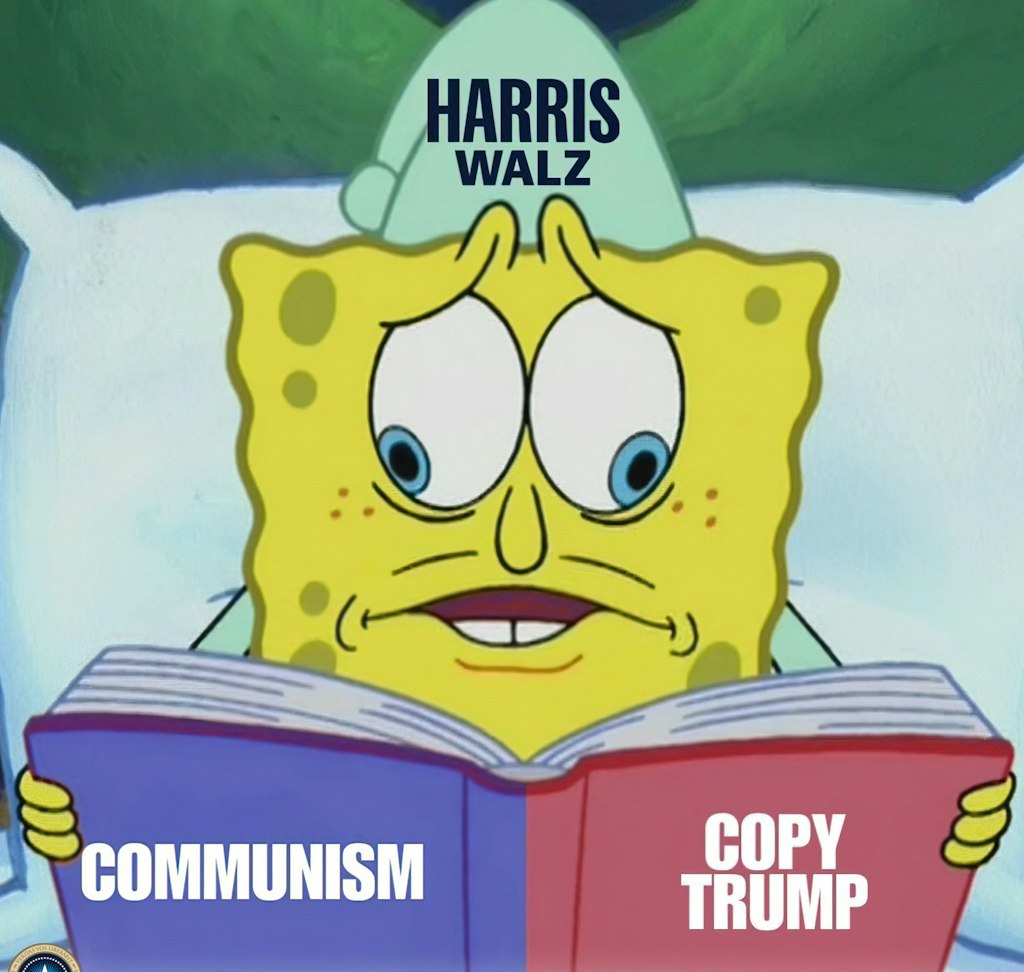
 One of the most fascinating things about Elon Musk’s interview with Donald Trump was the audience demographic. According to X data, 77% of the people who tuned in were