



AMERICAN CIVIC LIFE MAKES A COMEBACK
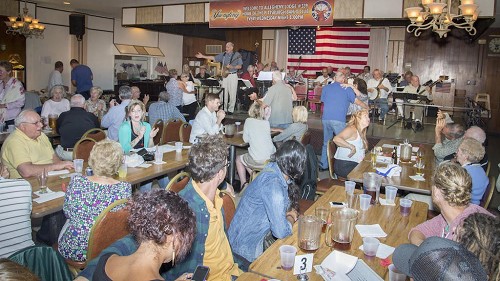 Pittsburgh—It’s just before 7 p.m. on a frigid December night, and already the Allegheny Elks Lodge No. 339 on the city’s North Side is filling up quickly—both the long bar and the tables in the adjacent hall.
There’s a woman collecting for a 50-50 raffle. (You may as well give in; she won’t take no for an answer.) Elks volunteers young and old are manning the bar and the kitchen, where the special tonight is a gourmet grilled cheese (black forest honey ham, Gouda cheese, and bacon).
Upstairs a six-lane sparkling white and red art deco bowling alley straight out of the 1920s is filled with young people from a local league. The floor above that is where lodge meetings are held; it is a beautiful ballroom also straight out of the Roaring ’20s.
The beer is cheap and cold. The food is cheap and tasty. Soon the entire building is packed to the rafters, people lining the walls in the hall and the bar. It’s as if Frank Capra made a movie in this century.
Civic life like this has been dying for decades, accelerated by the isolating effects of gaming and smartphones, and the anti-social components of social media. Today, the sense of community, security and civic duty that fraternal organizations can cultivate is returning.