



THE PALESTINE HOAX
In his best-selling book The Innocents Abroad, Mark Twain described his 1867 visit to Ottoman Palestine as it was known then as a land of “unpeopled deserts” and “mounds of barrenness,” of “forlorn” and “untenanted” cities (chapter 48).
The Palestine of Mohammedans (as he called Moslems) is a “waste of a limitless desolation,” he concluded, “desolate and unlovely” (chapter 56).
The same is true today of the Palestinian Museum which opened in Ramallah on May 18 with much fanfare and one slight problem. While admission is free, there’s nothing inside for any of the visitors to see except the bare walls.
The Palestinian Museum had been in the works since 1998, but has no exhibits. The museum cost $24 million. All it has to show for it are a few low sloping sandy buildings indistinguishable from the dirt and a “garden” of scraggly bushes and shrubs. It’s hard to think of a better metaphor for Palestine.
Palestine is an empty building with nothing in it. It’s a political Potemkin village. There’s a flag, an anthem, a museum and all the trappings of a country. But if you look closer, there’s nothing inside.

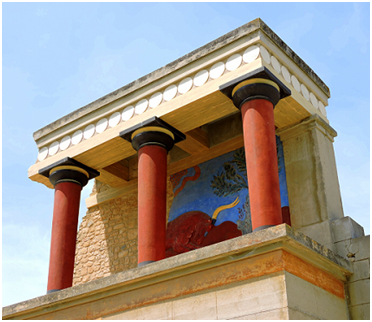 Knossos, Crete. Welcome to Atlantis. This is what it looked like. And this:
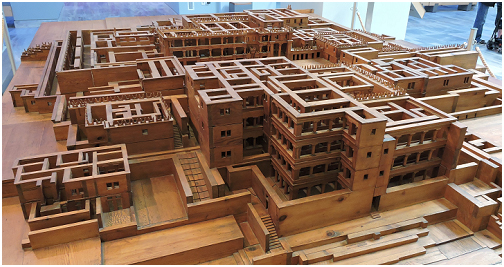 More nonsense has been invented about Plato’s myth of Atlantis – mentioned briefly in his Timaeus and Critias and nowhere else by anyone else in antiquity – than any other legend you care to name.