


IT IS TIME TO FREE MICHELLE OBAMA’S SLAVES
At the DNC Convention, Michelle Obama put on her victimhood hat one more time and declared, “I wake up every morning in a house that was built by slaves.”
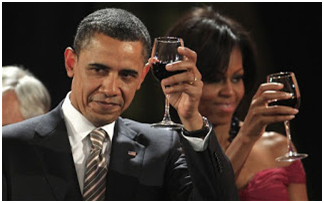 But that’s too past tense. Michelle’s house continues to be built and maintained by slaves. Her lavish lifestyle of endless vacations, parties and public appearances is funded by millions and millions of slaves.
Michelle Obama lives a life that is vastly more lavish and luxurious than that of any plantation owner. She has 26 staffers that are part of a White House staff of thousands. That’s more than many crowned heads of state. Compare that to 12 servants for Thomas Jefferson.
Michelle’s house, her luxurious lifestyle, is built by taxpaying slaves who are forced to turn over their money to fund her pleasures. She spent more money on one night in Morocco than the average American family will see in five years.
The Obama lifestyle is just the tip of the iceberg. Tens of thousands of more modest government plantation owners cling to their skirts living off the stolen toil of the government’s slaves.
Government, like slavery, is an institution. Like slavery, it claims to civilize its dependents. In reality it exploits them. It promises them security in exchange for freedom. It takes away the products of their toil and then tells them that they didn’t build that. It claims a false moral authority to exploit them.