
Empire’s Edge: From Insurgencies to Border Wars to Nuclear Ghosts
As geopolitical tensions escalate across multiple theaters, four critical developments are reshaping the global security landscape.
From precision strikes in the Middle East to automated nuclear systems stirring to life, the world stands at a dangerous crossroads where military action, domestic security, and Cold War-era technologies converge in unprecedented ways.
Operation Rising Lion and the End of Illusions
Israel launched its largest single-day combat operation in modern history on June 13, 2025, deploying over 200 aircraft in a three-phase assault against Iranian nuclear infrastructure and military capabilities.
The operation systematically dismantled Iran's air defenses, destroyed mobile missile launchers and underground depots, and targeted key nuclear facilities at Natanz, Arak, Fordow, and Isfahan. Beyond the technological devastation, the strikes eliminated several top Iranian military commanders and nuclear scientists, including IRGC Commander-in-Chief Major General Hossein Salami and former AEOI chief Dr. Fereydoun Abbasi.
The operation was triggered by a damning IAEA resolution confirming Iran's operation of undeclared nuclear sites, representing not just tactical success but a strategic message that nuclear proliferation will face overwhelming consequences.
FBI Probes Foreign-Funded Domestic Unrest
FBI Director Kash Patel announced investigations into the financial networks behind anti-ICE riots in Los Angeles, revealing a complex web of foreign influence operations targeting American immigration enforcement.
The probe represents a broader examination of how foreign-backed networks exploit domestic tensions to undermine federal authority, with investigators analyzing whether organized funding systematically supports anti-enforcement activities as part of a broader political warfare campaign.
Taiwan's Asymmetric Defense Revolution
Taiwan is rapidly transforming its defense strategy around drone warfare and asymmetric capabilities, conducting its first civilian-military invasion simulation while building what analysts call a “drone wall” for distributed defense.
Taiwan's new defense strategy explicitly embraces asymmetric warfare with drones as foundational elements, supported by a new Littoral Combat Command launching in 2026 and efforts to become a global drone manufacturing hub.
However, the strategy faces the challenge of developing combat-tested systems without active warfare, requiring Taiwan to learn from Ukraine's experience while building defensive capabilities against China's expanding military presence and internal espionage threats.
Soviet Ghosts: Russia's Nuclear Dead Hand Switch
Russia appears to be reactivating its Cold War-era “Dead Hand” nuclear retaliation system, known as
Perimeter, as evidenced by mysterious signals from long-dormant Soviet facilities including UVB-76 “The Buzzer.”
These automated systems, designed to survive nuclear decapitation strikes and execute retaliation without human authorization, have been transmitting coded signals since May 2025. The last time some were heard was 50 years ago, in 1975.
The Perimeter system represents the ultimate doomsday protocol: a network of 33 hardened radio stations programmed to detect silence from Moscow and automatically initiate nuclear response.
Whether driven by Putin's paranoia about decapitation strikes, internal instability, technical malfunction, or psychological warfare, the activation of these Soviet-era systems introduces an unprecedented wild card into current geopolitical calculations.
Read more...







 The moment Israeli fighter jets cracked open Iran’s air-defense umbrella last week, the professional panic class—President Trump aptly calls them the “Panicans”—went straight to Defcon Twitter, wailing that World War III had begun and demanding that America stay out of it.


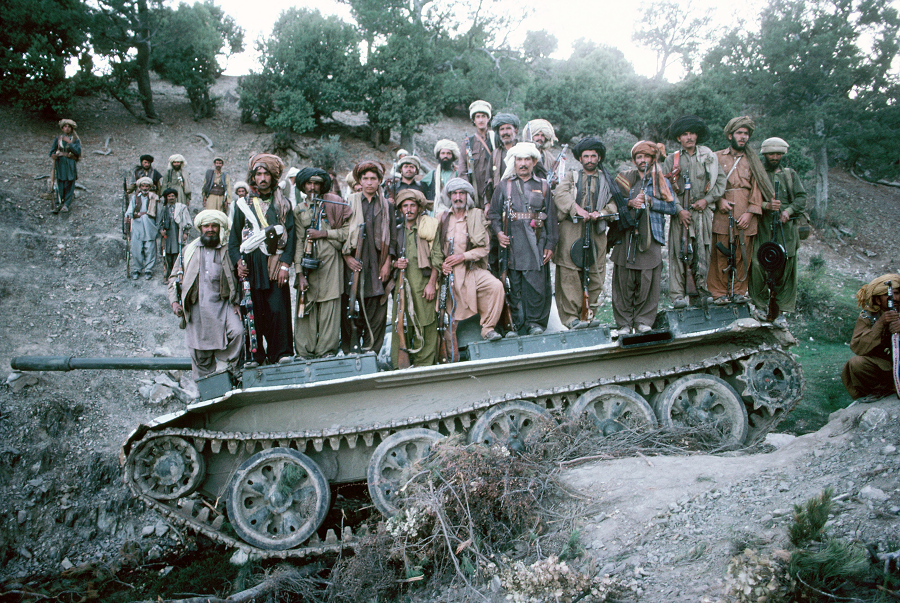
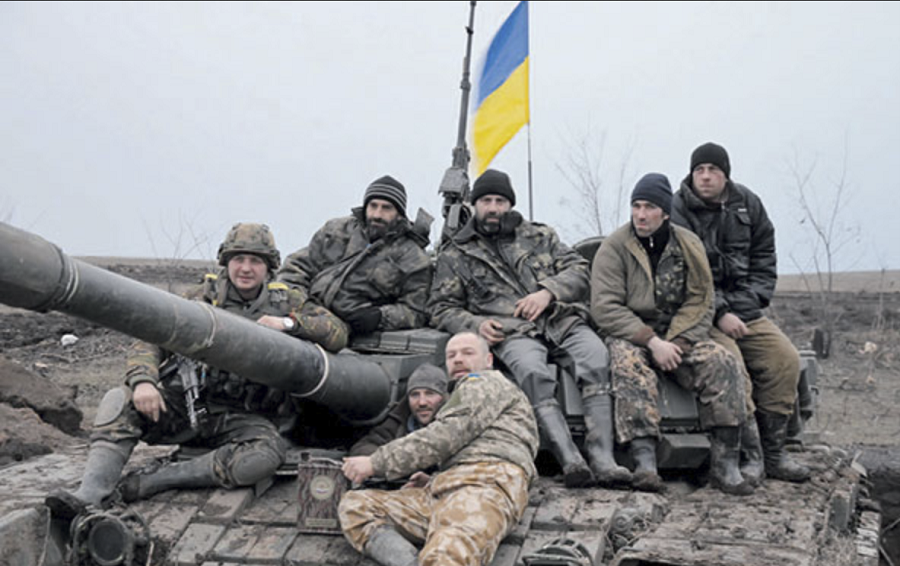
 This is one of the magical places we experience on our Himalaya Helicopter Expeditions. An independent kingdom for 650 years in the remote Mustang region of Nepal, it is one of the last places of traditional Tibetan culture on earth, unchanged for centuries. There are sky-caves here – apartment complexes carved out of vertical cliffs 2,000 years ago – Drok-pa nomads in the high pastures, spectacular sacred ceremonies, all in a mysteriously beautiful setting where the Himalayas meet the Tibetan Plateau. We’ll be here again soon. (Glimpses of Our Breathtaking World #86 Photo ©Jack Wheeler)



 TTP’s Live Long and Prosper column is dedicated to the memory of Durk who wrote as Skye for many years. Here we apply some of Durk and Sandy’s advice about supplements for staying active.
 What does the Palestinian jihad against Israel have to do with allowing illegal migrants to remain in Los Angeles?
 The criticisms of our universities seem endless: charges of antisemitism; exorbitant student fees leading to lifetime debt; ridiculous programs with no practical use; the list goes on.
:max_bytes(150000):strip_icc():format(webp)/female-technician-guiding-young-trainee-591168857-b5257c39439c42bd8a62c60a8d0a4b8a.jpg)
 Approximately a year after tech billionaire Elon Musk acquired X, formerly known as Twitter, in November 2023, a number of major companies collectively removed their ads from the platform.