A new rapid blood test for newborns could potentially detect genetic mutations linked to thousands of rare diseases all at once, greatly improving on current inefficient detection methods, according to a study to be presented Monday.
The new test developed by Australian scientists has proven highly accurate in identifying gene mutations associated with many rare, inherited diseases, all from just a minimally invasive blood sample taken from infants and children, the authors say.
The study, being unveiled at the European Human Genetics Conference in Milan, Italy, demonstrated that a single, untargeted test capable of analyzing 8,000 human proteins at once was able to correctly identify 83% of people with confirmed rare, inherited diseases.
The "proteomics" test was also able to differentiate between parental carriers of the mutations, who only have one copy of the defective gene, and the affected child, who carries two copies.
Those encouraging results are raising hopes for a new era in which screening infants and children for suspected inherited rare diseases can be accomplished quickly and efficiently for the first time, and that testing can be extended to many more of the estimated 300 million people worldwide affected by these genetic mutations.
Testing for suspected inherited diseases has traditionally been a time-consuming, costly and sometimes painful process that required different procedures for different suspected mutations. But that paradigm could be about to change, the study's lead author says.
Daniella Hock, a senior postdoctoral researcher at the University of Melbourne, told UPI that if the test is implemented in clinical labs, "it can potentially replace multiple functional tests. This can potentially reduce the diagnostic time for patients and families and healthcare costs.
"The test only requires only 1 milliliter of blood from infants, and results can be achieved in less than three days for urgent cases," she said.
Read more...













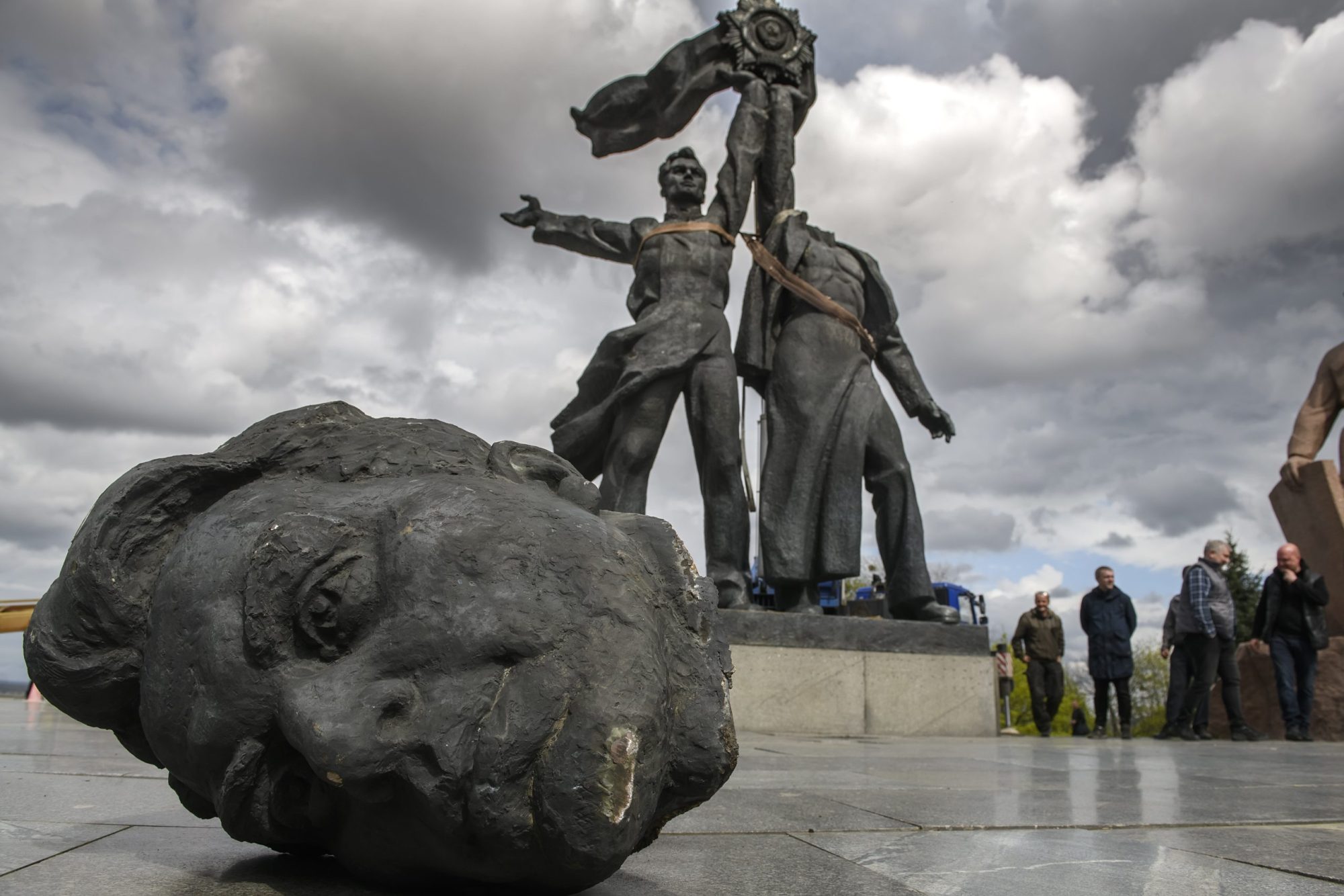 The Collapse of Russia’s Sacellum

 The antidote to war is not peace.
 On May 9, 2024, a fire broke out at an IKEA warehouse in Vilnius, Lithuania (
 Make no mistake about it: The Democratic Party is facing an existential crisis that even their media allies can't spin anymore.