David Bell
January 17, 2023
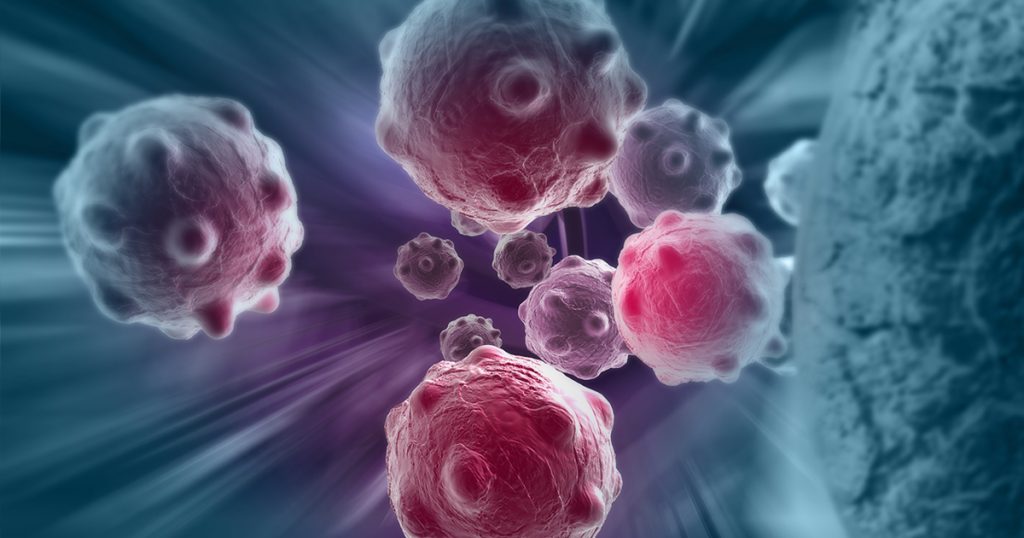 Sometimes an institution or movement turns on the society that supports it, harming the whole for its own benefit. A public bureaucracy can forget its underlying purpose and focus on perpetuating itself, or an organization comes to believe that the rest of society owes it special privileges. When an organ within the body of society becomes thus corrupted, and proves itself unwilling to reform, society must excise the diseased tissue before it spreads.
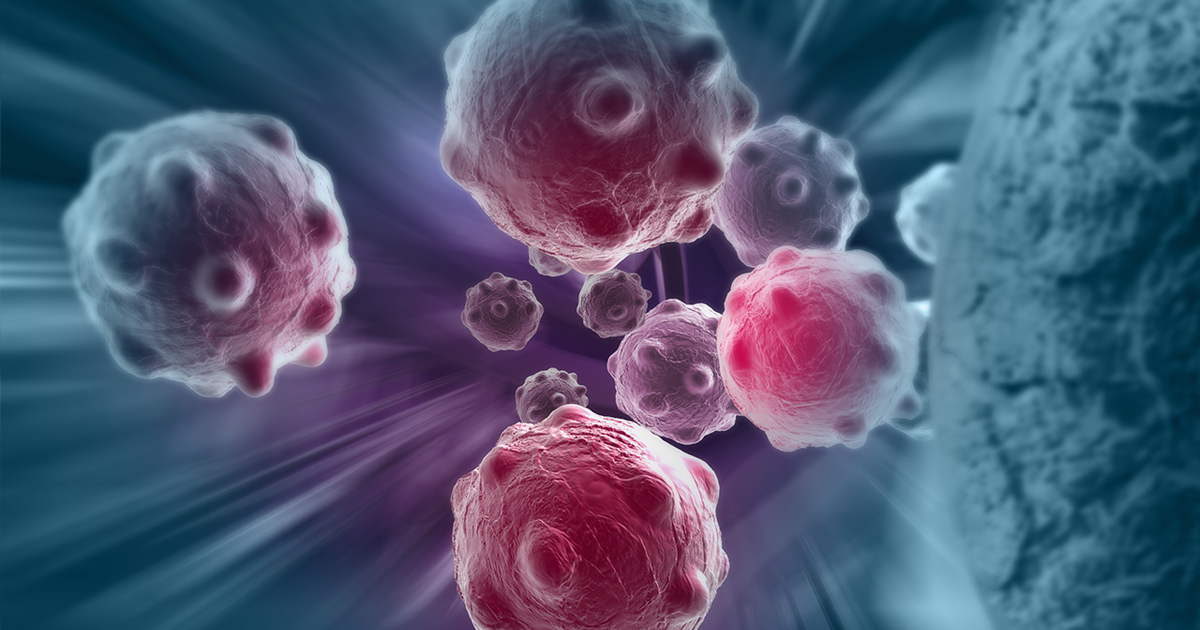
Cancer starts when cells within an organ begin to operate outside the strictures and rules that the body’s cells were programmed to follow.
As a cancer grows, it slowly corrupts the organ it arose within, impairing or changing its function. Demanding more nourishment to support its own rapid growth, it saps the body’s ability to support the rest of its billions of cells. In time the whole body deteriorates, though the cancer continues to grow and extract nourishment to the end, effectively repurposing the body solely towards its own support.
Death may be averted by removing the offending cancer, or even the entire organ from which it arose. But if the organ is vital to survival or the cancer has infiltrated other vital organs, excision is not possible. Sometimes the cancer may be poisoned or killed with radiation or immunotherapy without killing the entire body. But if it cannot be so dealt with, it takes the entire body down with it. This is a relatively common way to die.
Society is in many ways like the human body. Its various organs perform their functions to support the whole, all interdependent for survival. Corruption of one organ will, if left unchecked, corrupt the whole body.
Read more...






 At the Temple of the Peacock Angel in the Yezidi holy city of Lalish, you find this entrance to a Sacred Spring with a carved black snake, revered by Yezidis as they believe a black snake stuck itself into a hole in Noah’s Ark and saved humanity.