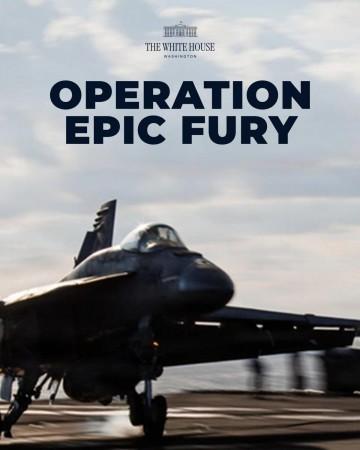
Operation Epic Fury
The past week has confirmed a stark reality: the U.S.-Israel-Iran confrontation is a global conflict involving international order, energy flows, and technological supremacy. Operation Epic Fury, launched February 27, demonstrated the decisive combination of intelligence, AI, and precision strikes.
Over 50 stealth fighters, followed by bombers and conventional aircraft, eliminated Iran’s top leadership and the next tier in rapid succession. AI enabled near-perfect targeting, turning decapitation into a reliable instrument of strategy.
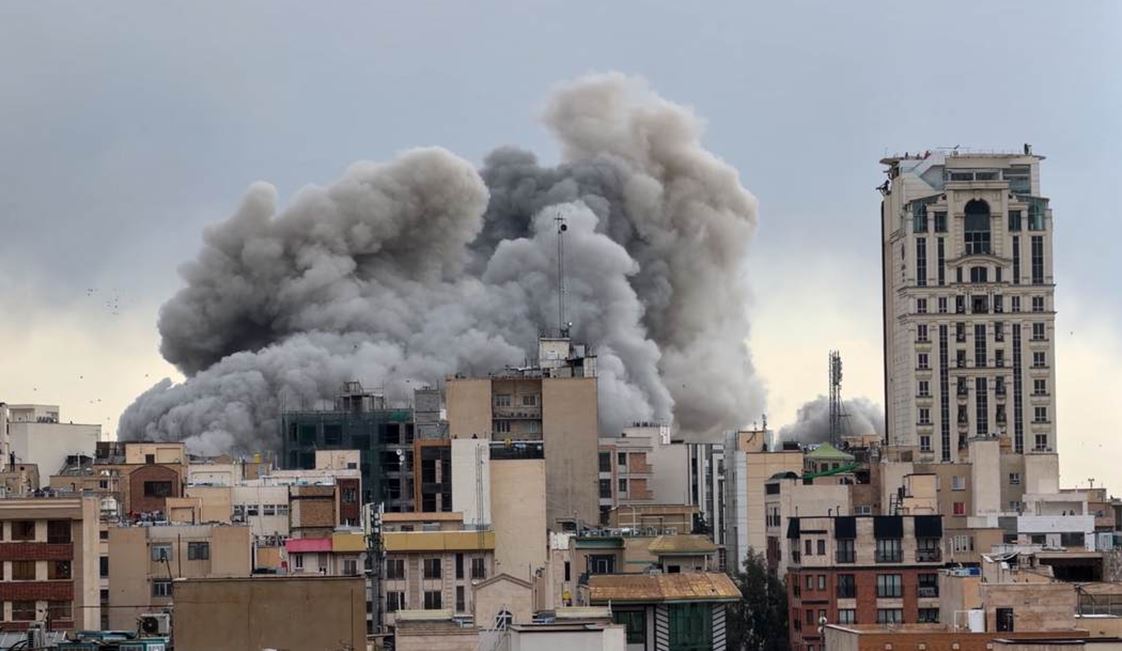
Tehran responded with missiles, drones, and proxy attacks across Israel, the Gulf, and Cyprus, while Hezbollah fired into northern Israel. By early this week, U.S. and Israeli forces had crippled Iran’s missile infrastructure, extending the battlefield beyond the Persian Gulf into strategic choke points like the Strait of Hormuz.
This conflict illustrates a principle central to modern strategy: power now moves at the speed of compute.
Naval supremacy remains indispensable. Fast jets strike, but submarines, carriers, and integrated ISR systems hold the lanes. The March 3 sinking of Iran’s IRIS Dena by a Virginia-class submarine protected Diego Garcia and the B-2 bombers essential for precision strikes.
Control of sea and digital lanes underpins operational tempo, while AI drives intelligence, targeting, and decision cycles.
Against this backdrop, London operates like a man behind the curtain. Through environmental regulation, energy suppression, and war-risk manipulation at Lloyd’s, it seeks to throttle U.S. AI and energy independence, rerouting strategic leverage through insurance premiums and market control.
Lloyd’s itself is a centuries-old, market-based insurance hub where no single entity owns the system, yet its underwriters can disrupt energy flows, spike costs, and constrain global commerce. Recent cancellations around Hormuz froze 150 tankers, spiked freight, and pushed oil above $90 per barrel.
U.S. responded with DFC-backed insurance guarantees and naval escort proposals that highlight the strategic stakes: in the 21st century, national survival depends on unbroken command of compute, sea control, and energy infrastructure.
Iran shows how compute and naval dominance shape modern conflict. London shows how institutional leverage can do the same quietly. The lesson is that strength must be paired with vigilance, moral clarity, and operational reach.
The Anglo-American partnership, if not recalibrated, can strangle U.S. technological and energy freedom. In this 250th year of the Republic, that unfinished business cannot wait.
Keir Starmer must go.
Read more...

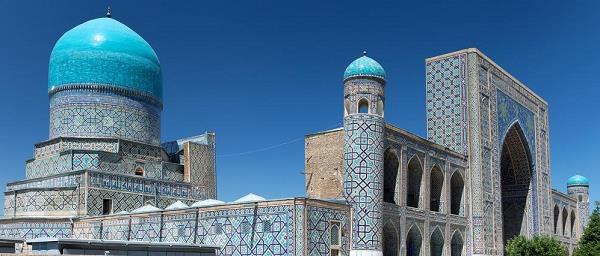





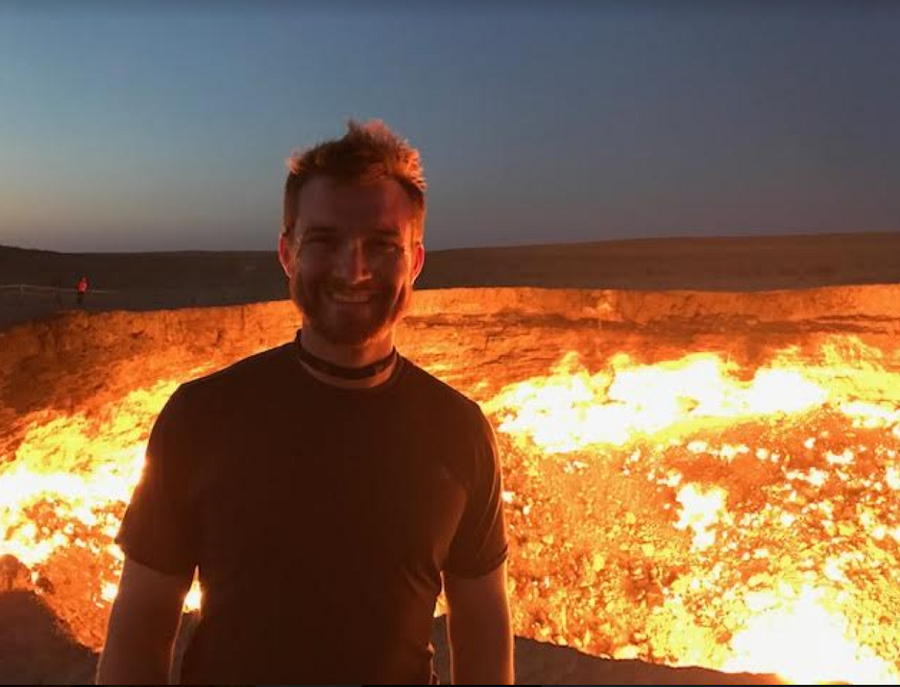 We camped here overnight in May 2019 crossing Turkmenistan’s Kara Kum (Black Sand) Desert. The Darvaz Gas Crater – known to locals as “The Door to Hell” – has been burning nonstop since 1971, when Russian engineers set it on fire expecting it to burn off and it never has. We will be back here soon, and you can be with us. This is a night -- and a sight -- you’ll never ever forget. My son Brandon can vouch for that! (Glimpses of Our Breathtaking World #44 Photo ©Jack Wheeler)

 TEHRAN — Rumors of the Ayatollah regime's nefarious plot to launch an assault on the west coast of the United States hit a snag on Wednesday, as Iran canceled plans to attack California after seeing Gavin Newsom had already destroyed it.

 Americans would be wise to begin paying very close attention to a small rugged island in the northern Persian Gulf that few could locate on a map only weeks ago.
 I joined the Marine Corps because Saddam Hussein invaded Kuwait. I was young, but not confused.
 The puzzle pieces are falling into place faster than the Deep State ever imagined. The case against the Clintons as a crime family, which I laid out in 2019 when I discussed their