




HALF-FULL REPORT 12/16/16
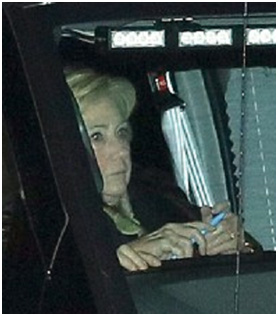 Isn’t this just the nicest picture of Hillary you’ve ever seen? She’s still in total shellshock arriving at the party she held for her donors at The Plaza hotel last night (12/15).
Today it was announced that FBI Director James Comey has declared there is no evidence Russians hacked the US election.
Comey noted that Director of National Intelligence James Clapper agreed with the FBI’s assessment, while the only intelligence official pushing the Russian Hack Fake News story was the CIA’s John Brennan, who, Comey said, “takes his marching orders from President Obama.” Ouch.
In response, Bitter John Podesta wrote a screed in the WaPo this morning (12/16) about the FBI being broken. Maybe, John, but you and Hillary and every other Dem losing schmuck in the country are still residing along that river in Egypt. You can stay there and stew in your bile for as long as you want.
Meanwhile, 72 hours from now, Donald J. Trump will officially and legally be President-elect of the United States. This Watermelon Recount Russian Hack Fake News CIA Attempted Coup d’état Farce will be over. Flipping Electors is a Dem hallucination.