[TTP: there is, perhaps, much in this article to both like and dislike, and enough grey area to have a great conversation. Tell us what you think in the comments!]
The United States literally began with these words: “We hold these truths to be self-evident, that all men are created equal, that they are endowed by their Creator with certain unalienable Rights, that among these are Life, Liberty and the pursuit of Happiness.”
(What that actually means, particularly the pursuit of Happiness part, is different for different people. At a minimum, however, we can all agree that Life means, well...life.)
The above quotation, of course, comes from the Declaration of Independence. But that document doesn’t define the structure of our government; the Constitution does.
And it’s from the Constitution that we get our federal system, under which (originally) the federal government had a few well-defined and finite powers such as defense, foreign relations, and adjudicating conflicts between the various states.
States, on the other hand, reserved all those powers not specifically prohibited to them or delegated to the federal government.
The truth is that the system worked very well for a long time. About 150 years.
But starting in the 1910s, with the passage of the 16th and 17th amendments, the line between the states and the federal government started to blur; in the 1930s, it began to fray; and by the 1990s, it was basically gone, which is the situation we find ourselves with today…
You know one place where federal control largely doesn’t extend?
The criminal justice system.
Read more...





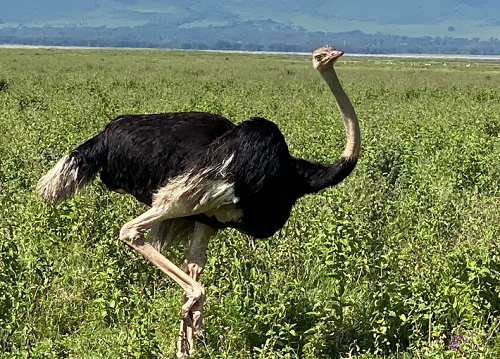 Yes, an ostrich. Ostriches are the world’s largest, heaviest, and fastest running birds on earth today. A full-grown adult male can weigh over 300 pounds, and it’s kick is so strong it can kill a lion. A pride of lions led by lionesses, or a coalition of adult males, can become skilled at taking down young ostriches, but they know to stay away from the adult big boys, for they are truly lethal. This fellow is still growing so he has to be careful on the plains of the Ngorongoro Crater Floor. (Glimpses of Our Breathtaking World #290, photo ©Jack Wheeler)

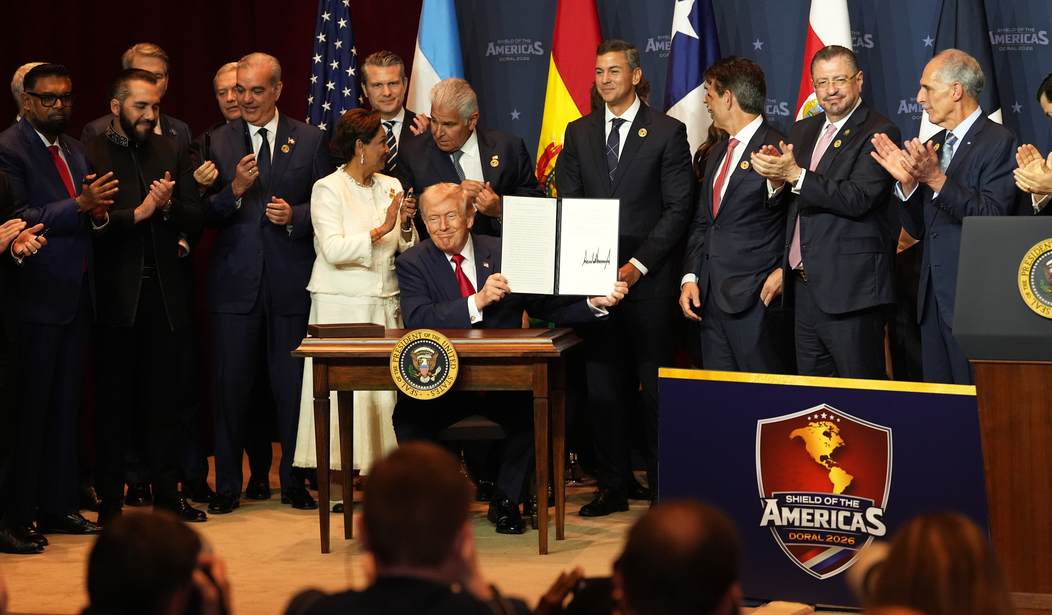 [TTP: The Shield of the Americas summit was notable in many ways, but there was a small side story that was particularly sweet. Here’s your feel-good story of the week.]
 Last week, the United States and Israel attacked Iran. They achieved an enormous tactical victory at the outset. Now, Republicans need to win the rhetorical war at home.
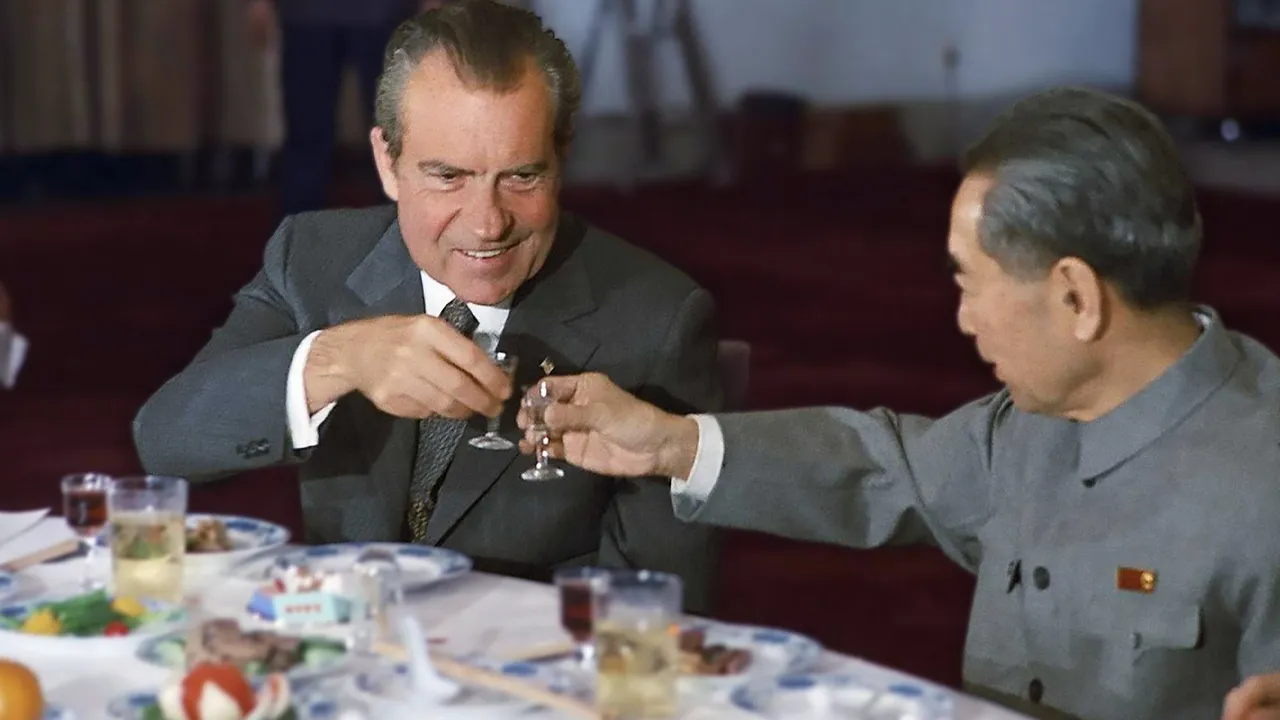 In February of 1972, President Richard Milhous Nixon accomplished what generations of diplomats, academics, and foreign policy mandarins had insisted was impossible.
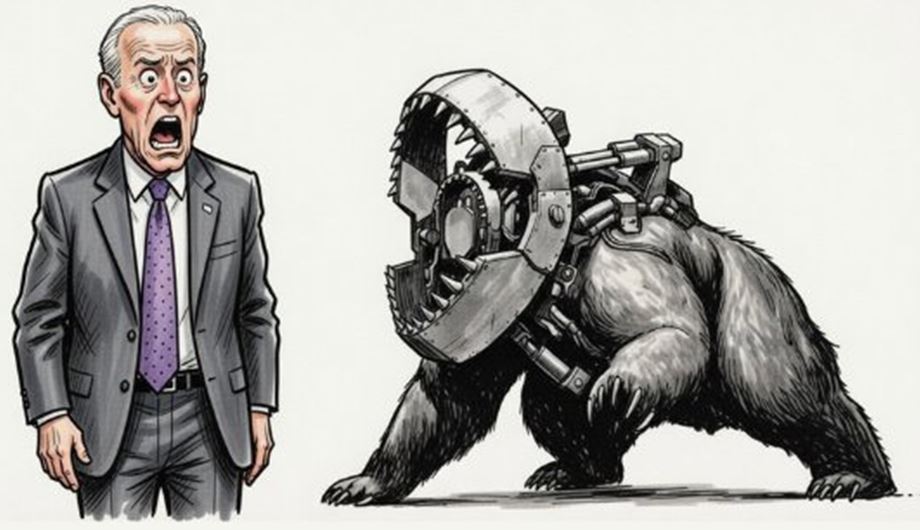
 In a region that has been in conflict for time immemorial, a people have carved out a home for themselves.