



THE MOST CHRISTIAN ISLAND
 Waitangi Bay, Chatham Island. 530 miles east of New Zealand lies an isolated island of windswept rugged beauty that few people have ever heard of. Yet Chatham Island may be an ultimate Christian example of how to prevail over monstrous evil.
In the early 1400s, a Polynesian people calling themselves Moriori sailed from New Zealand across an unknown empty sea to reach an island they named Rekohu, meaning “misty sky.” For 400 years they lived in peace among themselves – and in utter isolation from the world.
But in 1835, another people arrived, and brought Hell with them. They were a group of 500 Maori cannibals from New Zealand determined to take Rekohu for themselves. The Maori killed them like sheep, men, women, children, and babies, and ate them.
The British Governor of New Zealand ignored the Maori Genocide. There were about 2,000 Moriori on Rekohu (renamed Chatham) when the Maoris arrived in 1835. Only 101 Moriori were still alive by 1862. It was Western Christian missionaries who put an end to Maori killing, eating, and enslaving Moriori.
Today on Chatham Island there is a Moriori resurgence – but without rancor. The past is past, they say, what counts is the future. Like few other peoples on earth, the Moriori understand the Christian power of abandoning resentment and grievance.
Come to Chatham to experience a unique place in our world, and a people with their souls at peace. (Glimpses of Our Breathtaking World #176 photo ©Jack Wheeler)




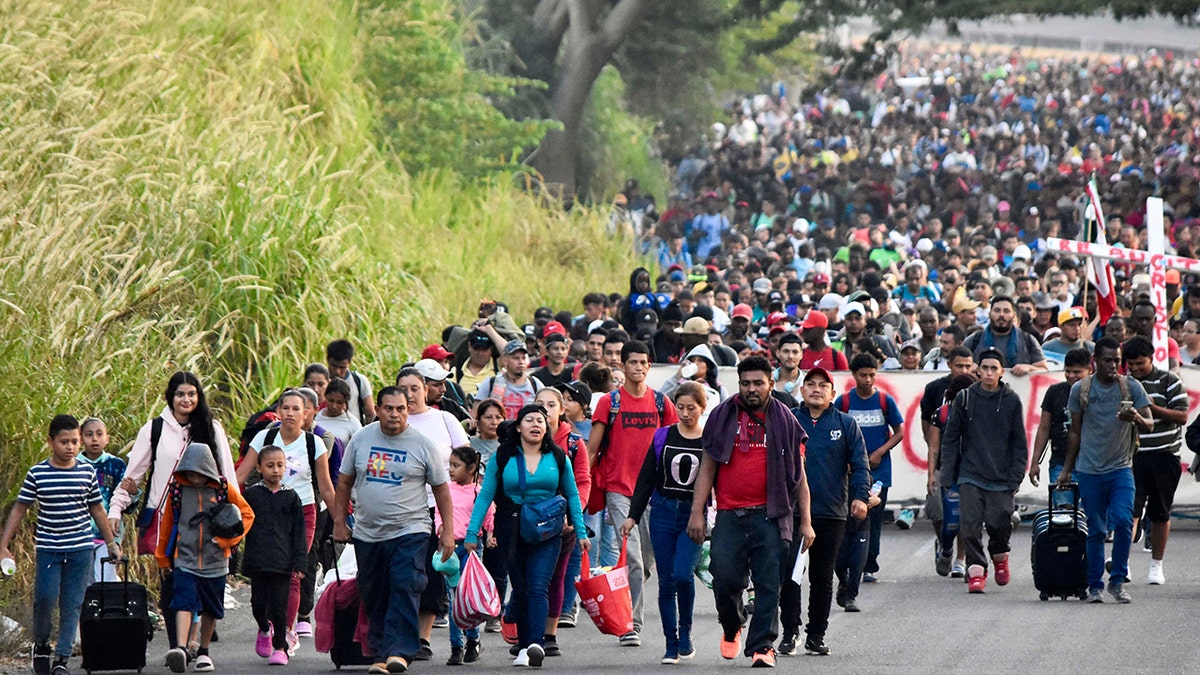 It is hard now even for Democrats to defend illegal immigration, given that the Biden administration allowed in more than 10 million entrants. Among them were an estimated 500,000 criminals. No one normal believes that was wise or should ever be repeated.