




HOW (NOT) TO RAISE A MONSTER
 [TTP: Parenting the citizens (and politicians) of the future is hard, especially in the Age of the Screen. Here is an excellent essay to assist in navigating this supremely important mission.]
Mary Shelley learned to read by tracing the letters of her mother’s name on a gravestone.
Behind London’s St. Pancras Old Church, the young girl would run her fingers over the markings: “Mary Wollstonecraft,” the writer, philosopher, and women’s suffrage campaigner who died giving birth to her.
Raised by her father William Godwin, Shelley’s childhood was marked by radical ideas at the dinner table, the tensions of a complicated family life, and a taste for the eerie that she harbored from her earliest years.
In 1816, at just eighteen, she accompanied the poet Percy Shelley to a Lake Geneva villa where Lord Byron, the celebrity poet who had just fled England in disgrace, had gathered a small circle of friends.
Volcanic ash from Mount Tambora had blocked out the sun, so they resolved to stay indoors to write ghost stories. Carrying with her a fascination with experiments showing dead creatures twitching in response to electric charge, Mary wondered what it might be like to be switched on rather than born.
Her story, Frankenstein, took this idea to its logical conclusion. If the scientific showmanship of the day could produce a being through technical wizardry, then the fruits of this creation would exist as a child without childhood.
For someone who never met her own mother, a book about life without formation seemed like a fitting project.Frankenstein is often read as a tale of hubris…but it is a story about a man who refuses to become a parent as much as a man who wants to play God.


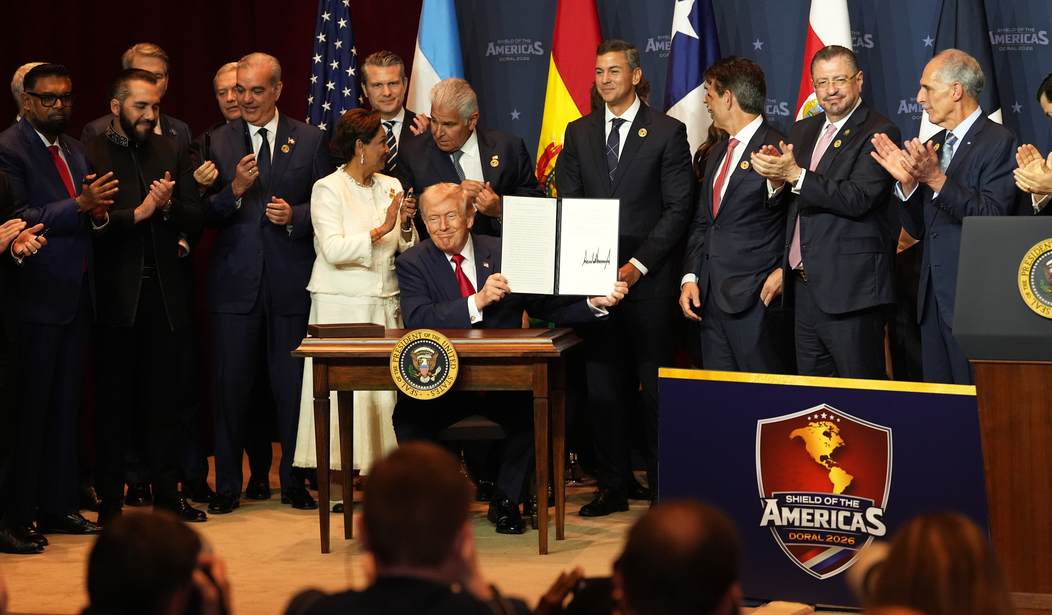 [TTP: The Shield of the Americas summit was notable in many ways, but there was a small side story that was particularly sweet. Here’s your feel-good story of the week.]
 Last week, the United States and Israel attacked Iran. They achieved an enormous tactical victory at the outset. Now, Republicans need to win the rhetorical war at home.

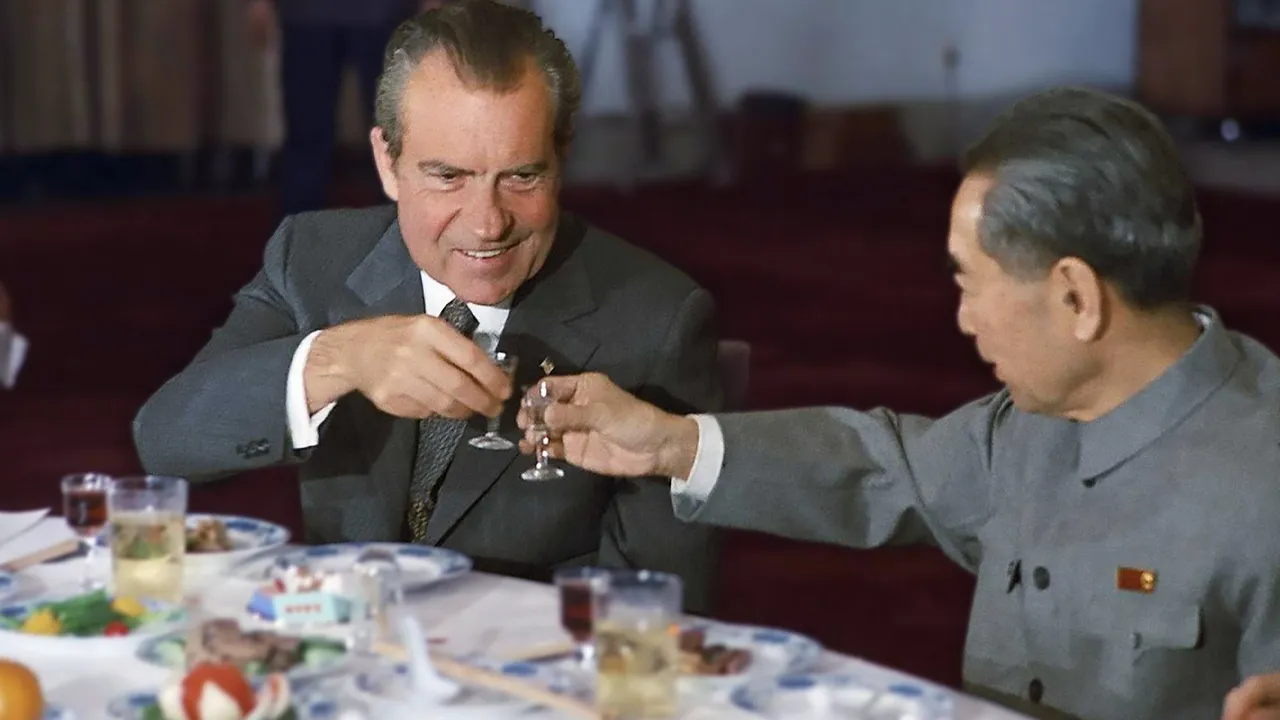 In February of 1972, President Richard Milhous Nixon accomplished what generations of diplomats, academics, and foreign policy mandarins had insisted was impossible.
 In a region that has been in conflict for time immemorial, a people have carved out a home for themselves.