





STRATEGIC MILITARY SEALIFT IS CRITICAL
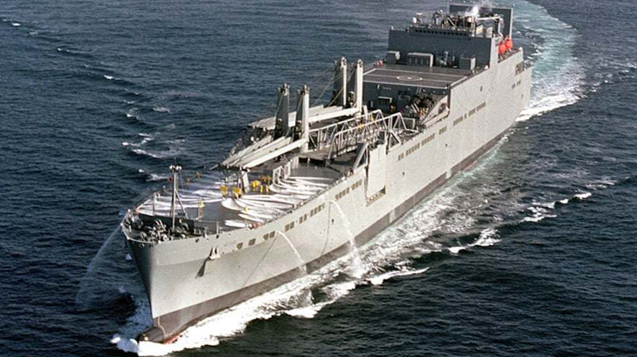 Strategic sealift is an essential element of the U.S. military’s logistics system. Sealift provides weaponry, fuel, ammunition, and other support needed for warfighting on the battlefield. Roughly 90% of all needed supplies and equipment travel by sea.
There is no viable alternative to sea transport. The distances are too great and the vast tonnages of military weapons and support equipment dictate transportation by sea. What is logistics, and why is it important? Let’s hear from some historical figures on the importance of logistics:
“Logistics [is] … as vital to military success as daily food is to daily work.” —Rear Admiral Alfred Thayer Mahan (USN)
“Amateurs worry about strategy. Dilettantes worry about tactics. Professionals worry about logistics.” —Unknown
“You will not find it difficult to prove that battles, campaigns, and even wars have been won or lost primarily because of logistics.” —General Dwight D. Eisenhower
“I don’t know what the hell this logistics is that [Gen.] Marshall is always talking about, but I want some of it.” —Admiral E.J. King (USN)
“My logisticians are a humorless lot. … They know if my campaign fails, they are the first ones I will slay.” —Alexander the Great
All humor aside, the importance of sea transport of our military assets to war cannot be overemphasized.