




THE REAL EVIL IN CHARLOTTE
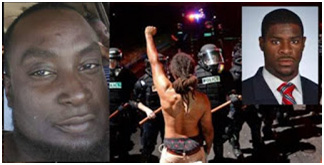 Keith Lamont Scott was scum.
He had been convicted of assault with a deadly weapon in two different states and convicted of assault in three states. He had been hit with “assault with intent to kill” charges in the 90s. His record of virtue included “assault on a child under 12” and “assault on a female.”
The media spin; “Family and neighbors call Scott a quiet ‘family man’.”
This vicious monster’s career of crime ended when he was shot by Brentley Vinson, an African-American police officer, protecting himself from the latest rampage by this “quiet family man.”
Brentley Vinson is everything that Scott isn’t. The son of a police officer, Brentley dreamed of following in his father’s footsteps. He used to organize his football team’s bible studies and mentored younger players. His former coach calls him a “natural leader” and says that, “We need more Brent Vinsons… in our communities.”
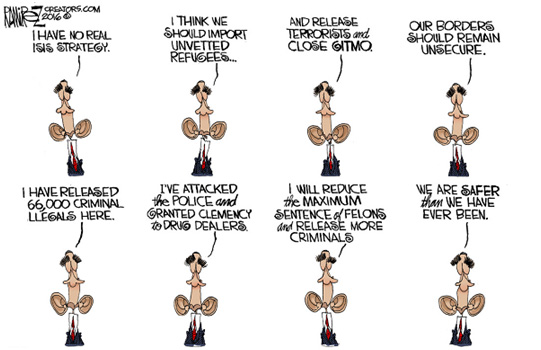
Except that Obama, Black Lives Matter, the media, the NAACP and everyone else going after this bright and decent African-American officer has decided that what we really need are more Keith Lamont Scotts, not Brentley Vinsons.