Victor Davis Hanson
May 22, 2024
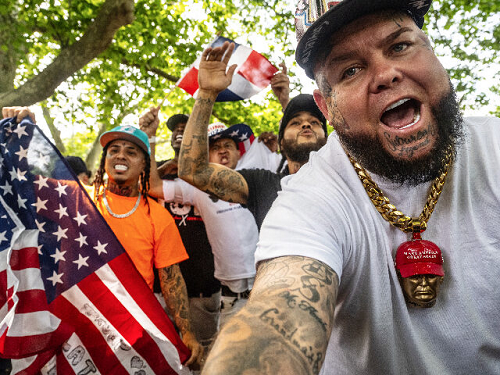
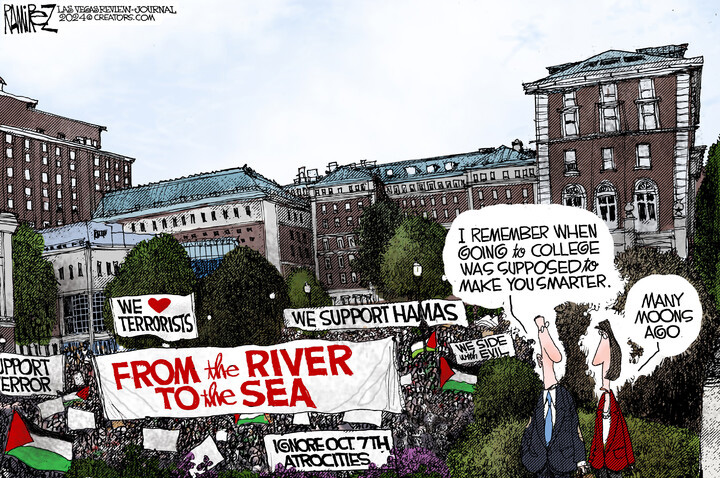 Anti-Israel/pro-Hamas campus protests have engulfed hundreds of college campuses. But the more coastal, blue-state, and supposedly elite the campus was, the more furious the violence that sometimes followed these demonstrations.
Even rowdier and more vicious street analogs shut down key bridges, freeways, and religious services. Protestors often defaced hallowed American monuments, national cemeteries, and iconic buildings. Visa-holders were among the worst perpetrators, adding ingratitude to their criminality.
The vast majority wore masks, not to protect from infection but to hide their identities. It is received wisdom, however, that those who wear masks do so for obvious reasons: so authorities cannot identify and punish those who commit crimes (e.g. the Klan, antifa, bank robbers, criminal gangs), or so that anonymity can help incite mob furor, given that participants feel that their vehemence increases once it cannot be traced.
More mundanely, why don’t the students simply identify themselves, insist they want their “resistance” to be known, and then hope their arrests will be proof of their courage to galvanize like-minded people to join them?
Why? One, because the students are sunshine and careerist revolutionaries. They see no inconsistency between shouting “Death to Israel,” “Global Intifada,” or “River to the Sea” one day and then the next, applying for a top spot at Goldman Sachs, a tony university, or a federal bureaucracy. Jacobin professors protest like it is 1793, but when politely arrested, they collapse into fetal positions and scream hysterically that consequences cannot follow their illegality, given they are privileged, superior intellects and moralists, with titles and degrees no less.
Read more...


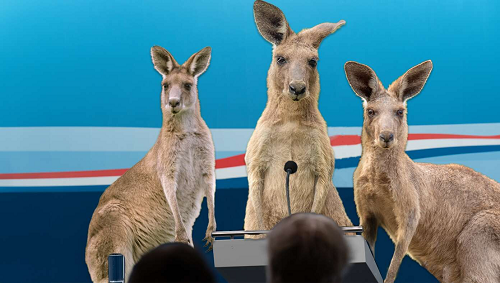 Kangaroos Ask People To Stop Unfairly Comparing Them To U.S. Justice System