






MARK CARNEY’S ANTI-AMERICAN CRUSADE
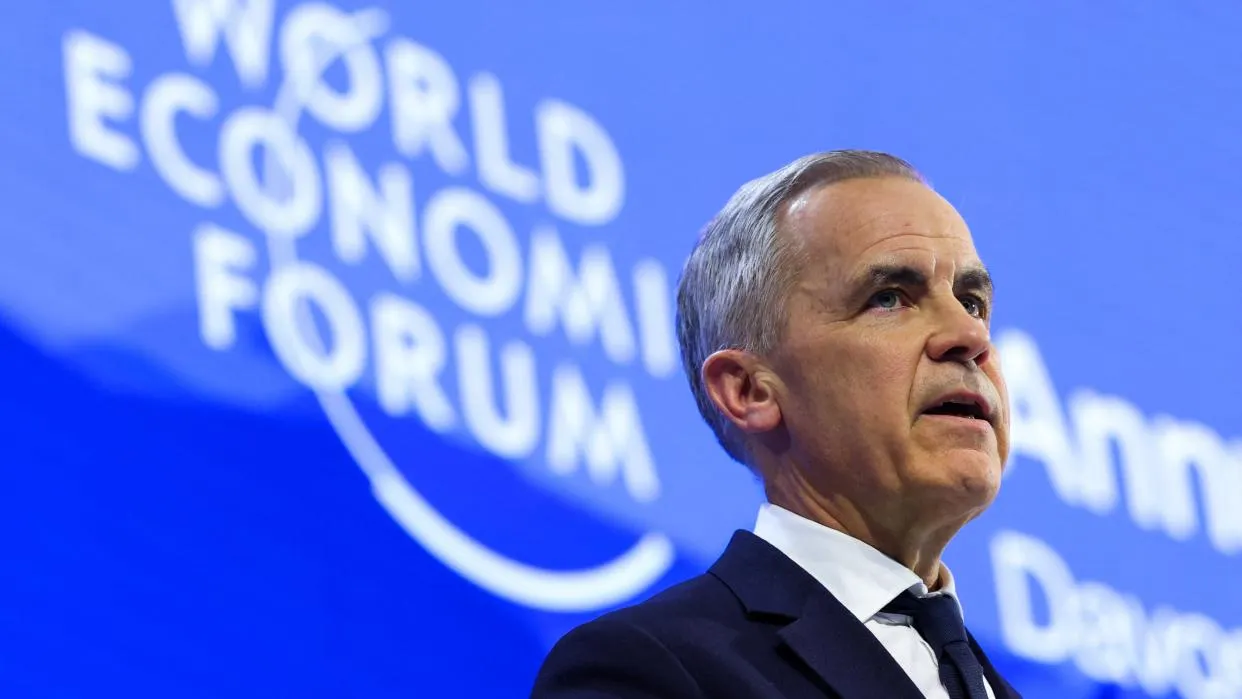 Canadian Prime Minister Mark Carney now believes he is more than just the Western foil to Donald Trump and his MAGA movement — he is the global one.
Accordingly, he seems determined to demonstrate to the world how to stand up to Donald Trump, to force Trump to lose the midterms, and to hurt the U.S. economy to such a degree that Trump will never again bully other nations.
How he believes he has such awesome power is altogether unclear.
So, at the eleventh hour, Carney stormed out of an apparently completed tariff deal with the United States that would have privileged Canada over almost all of America’s other trading partners.
Canada, we recall, has enjoyed a $50 billion goods trade surplus with the United States for years in a supposedly free and equitable North American trade zone.
Carney claimed that American proposals stripped away Canadian sovereignty and quashed Canadian culture, particularly French-Canadian culture. Yet he has not released the documents detailing the bilateral offers he rejected.
Nor has he allowed his representatives to explain to the media why Canada blew up the negotiations at the last minute. Carney’s ever-changing excuses, explanations, and invectives about what happened are incoherent and contradictory.

 A village fightback against migrant camps is set to spread across the country.
 About a hundred years ago, Russian psychologist Bluma Zeigarnik was sitting in a café in Vienna waiting for her coffee refill.



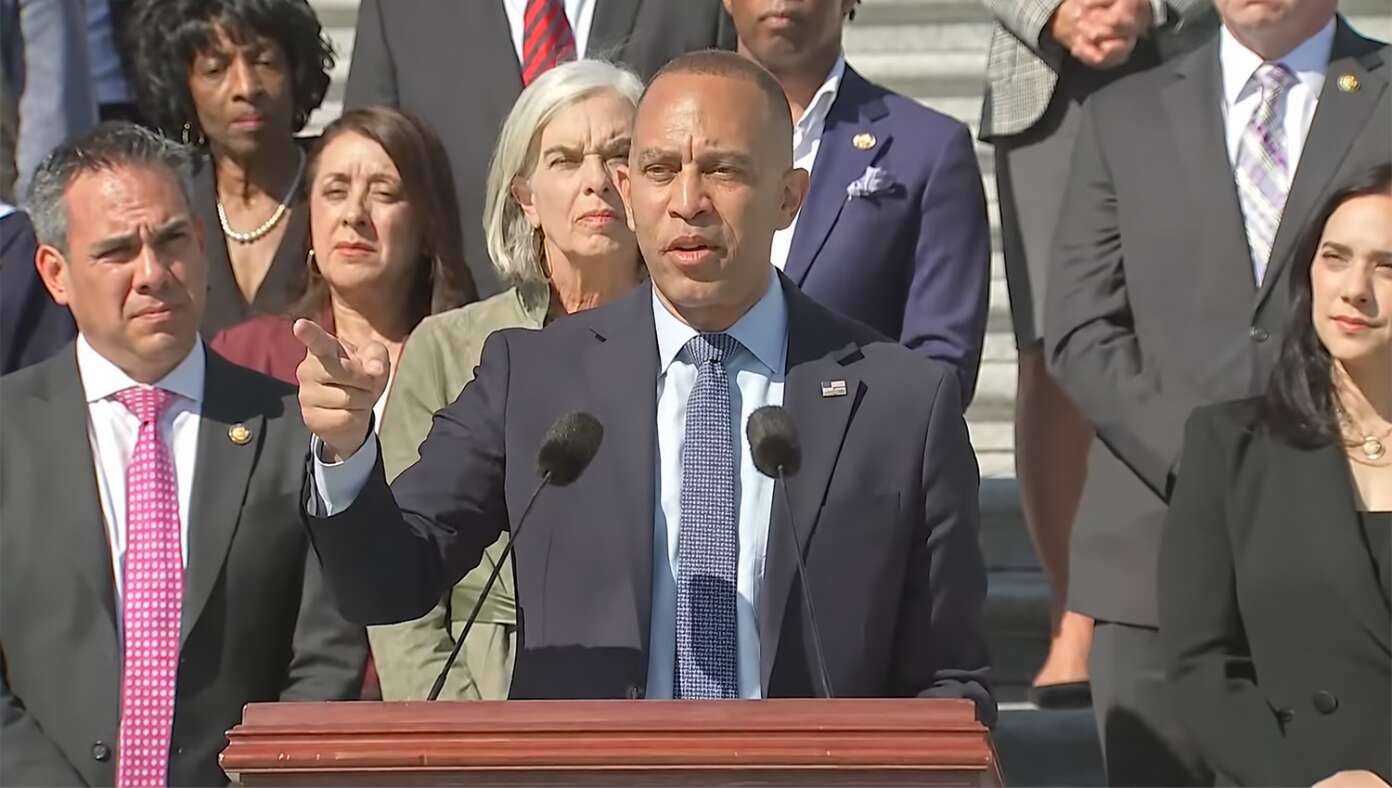 WASHINGTON, D.C. — Just days after President Donald Trump vowed to issue every American citizen a $5,000 check if Republicans won the midterms, Democrats countered with their own offer: if they are elected, every voter would give them $5,000.

 [Every day now, we read of another Christian Church “mysteriously” burned down, while our country’s politics and social media are infested with Hate America Islamic Fascists like Hasan Piker, Ilhan Omar, and Abdulrahman Mohamed El-Sayed. This Monday’s Archive was first published in 2007, yet provides intellectual ammunition with which to defend ourselves from this hateful infestation today. Use it liberally.]
 Last month, the Enemedia crowed. The “experts” announced 1.5 percent growth and pronounced judgment. Trump’s promised boom had failed to arrive.