






USE SNOPES!

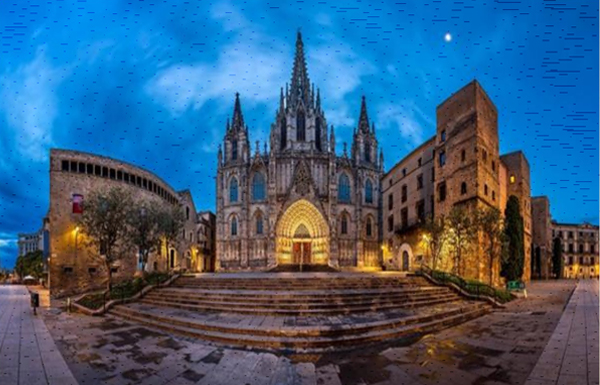
Has anyone emailed you this picture of the December 26 tsunami hitting Phuket, Thailand? It’s all over the web, yet if you’ve ever been to Phuket, you know this is a fake. The city is actually Antofagasta, Chile with phony Photoshopped waves.
We all have friends with the terrible habit of forwarding some shocking claim worthy of National Enquirer on to everyone in their email list, without bothering to check its veracity out first. There’s no need to be upset at them, for they’re excited and just want to share something they think is cool - but now you can tell them how to easily find if any claim is for real or not.
Just go to Snopes.