Mike Ryan
December 30, 2022
Three Megatrends to Watch in 2023
_______________________________________________
 A lot happened during 2022, from Russia’s invasion of Ukraine to political shenanigans, even worse economic shenanigans, and the nationwide breakdown of law and order.
Each is connected to a widespread loss of trust in governments, businesses, schools, and the neighbor down the street. We are rapidly changing from a high-trust society to something else.
Three megatrends are emerging. The first is the sudden step-like change in chatbot sophistication that threatens to replace the great libraries of free and open-source information with machine-curated global narratives. Drag shows in public libraries intended to withdraw public support and the destruction of monuments are features of the shift to the singular narrative.
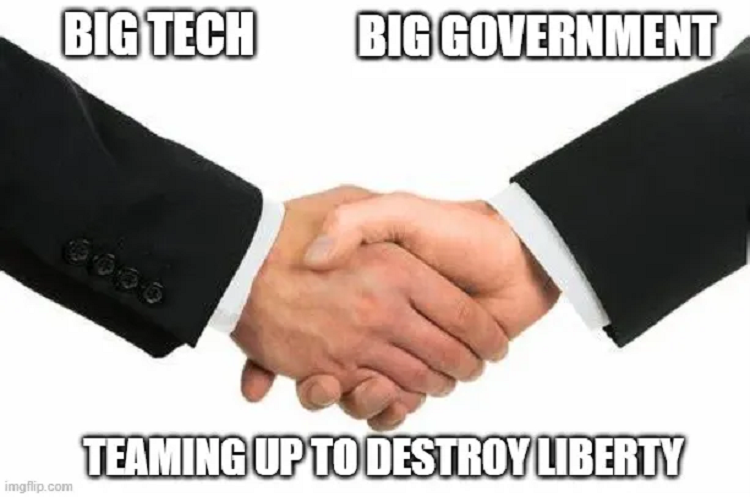
Loss of trust in commercial institutions is everywhere. We long suspected and compiled evidence of the collaboration of big tech with big government. Now that Elon Musk is telling the world what has been happening behind the curtain, everything is suspect. Musk is a crack in the narrative; he is the point of failure exposing the massive effort devoted to information control.
The problem for the government is apparent: Propaganda ceases to work once it is known to be propaganda.
All over the world and within most corporations, technology has been used to centralize decision-making at the expense of decision quality. The current trend is to replace the mind with a computer algo. The consequence is a dramatic decline in innovation.
Without innovation, there is nothing to prevent entropy from expanding.
Breaking trust with the current systems creates a foundation for the future. Those that understand this will prosper. Others, including entire corporations and governments, will fail.
Come to the HFR, and most of all, Happy New Year!
Read more...