





CROSSING THE AMERICAN RUBICON
 First of all, thank God that Donald J. Trump and enough Republicans won in 2024 to get in power and push through the reforms we are seeing now. It hasn’t been all we wanted yet, and there is room for improvement, but what has been made clear is that the United States is now at a Rubicon moment as a result. Fortunately for us, this moment has our side at the reins of power. It may not remain this way.
I have to remind everyone again, as I did right after the election, that if the popular vote had shifted even five percent, the land would have been delivered into the hands of the Giggling Mental Patient and her entourage in the Democratic Party instead of to DJT and the Republicans.
That is not a margin that should give anyone any comfort. I would like to say we have a mandate. I must point to the numbers, however, and say what we really have is a fighting chance by the grace of God.


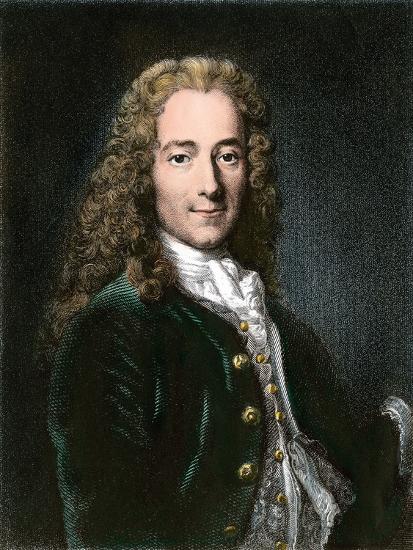 You may not recognize who this is, nor his name Francois Marie Arouet, but you’ll certainly know his pen name –
 [
[ This morning the Supreme Court will hear Trump v. Cook, a case that began with an unprecedented move: President Trump fired Federal Reserve Governor Lisa Cook. As usual, lower courts blocked him.

 The Tides Foundation rarely appears prominently in public debate, yet it occupies a critical position in modern American civic life.