





MAMDANI STRUGGLES TO FIND PERFECT WORK‑TERRORISM BALANCE
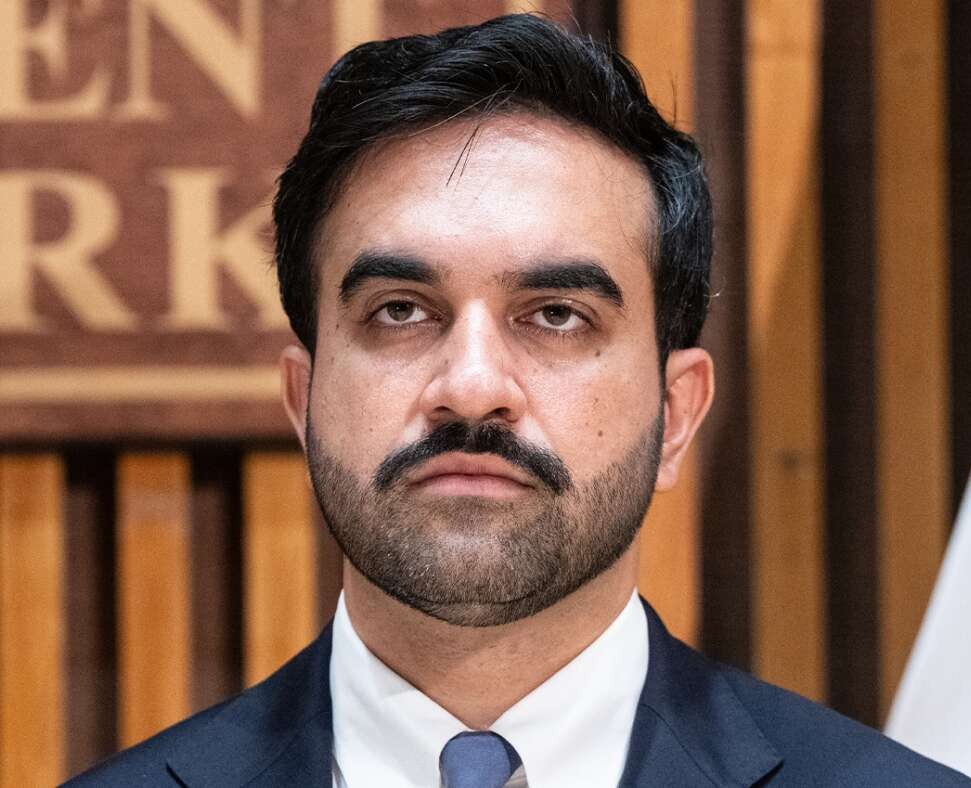 NEW YORK, NY — Mayor Zoran Mamdani's demeanor suffered in recent days, according to observers, as he struggled to find that perfect work-terrorism balance in his life.
Aides and reporters visiting the mayor's office claimed to have seen Mamdani moping around the office in a state of depression. He reportedly lacked motivation to redistribute even the tiniest bit of wealth, longing for the days when he was gay and carefree, blaming the Jews for all of society's ills without any blowback whatsoever.
"I thought I'd be able to do whatever I want as mayor, but it turns out it's a lot of work," Mamdani said. "Now I don't have enough time for terrorism, which, let me tell you, is my passion."
Mamdani was seen staring out at the city through a blanket of rain, seemingly lost in his own thoughts. His hands idly played with the Newton's Cradle his wife had given him when he got the job; each bounce of the ball a tiny terrorist attack in his mind — but it just wasn't the same.
"Sir, we have to talk about the protests — " Deputy Mayor Dean Fuleihan started to say before being cut off.
"Don't they know I'm on their side? Ugh, I wish I could blow everyone up!" Mamdani said before catching himself, realizing there was press present. "Don't print that."
According to sources, Mamdani used to spend his days writing sweet rap lyrics and plotting the globalization of the intifada. But now he's stuck in an office, solving problems with pen and paper. At the end of the day, he goes home to be nagged by a wife who doesn't understand the burden on his shoulders.
"I have to run a city!" he allegedly said in one such argument, according to sources. "I can't go around blowing things up all the time!"
At publishing time, Mamdani had announced he would be taking a vacation to Somalia, where he could blow some things up for old times' sake.
~ Babylon Bee reporting.

 According to
 [TTP: Continuing from yesterday…]
 A healthy relationship with the truth is essential for a happy, successful life.





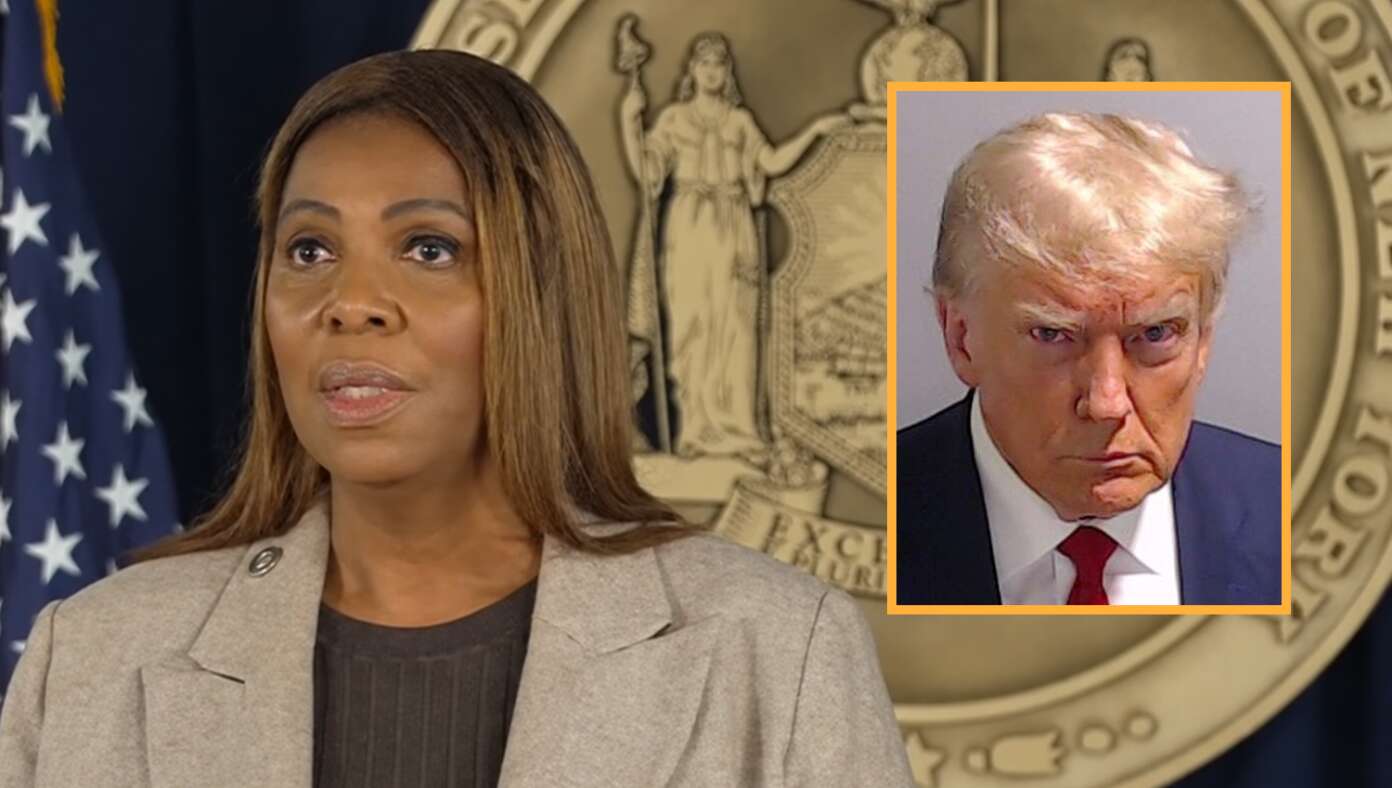 ITHACA, NY — Immediately following her appointment as a special prosecutor to investigate the alleged sexual assault of a female student, New York Attorney General Letitia James announced that she was indicting President Donald Trump in the Cornell case.