


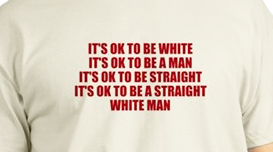
AMERICA THE FORGOTTEN
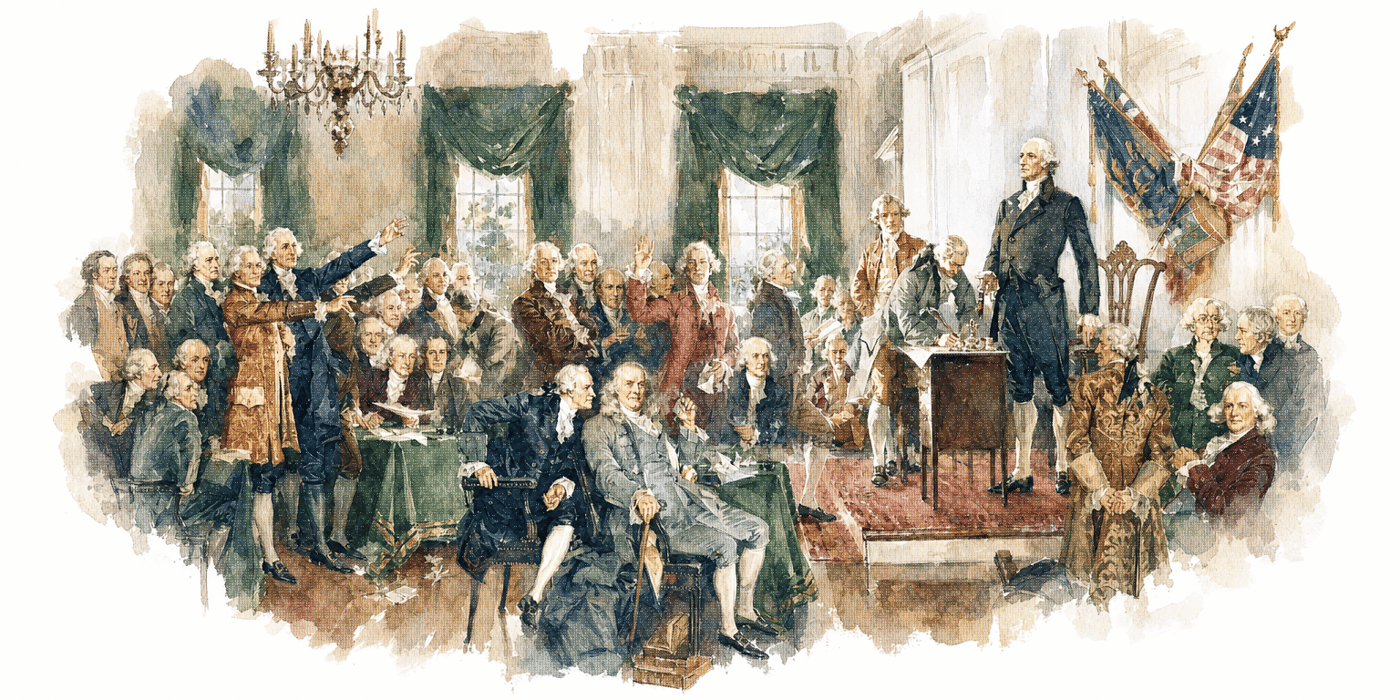 [TTP: Obama instructed the country to argue around their Thanksgiving table in 2019. This would make much better table conversation. Maybe you could start the ball rolling by reading it out loud before heading into the dining room.]
As we roll into Thanksgiving and the holidays, we begin the season of considering our blessings.
I’m undyingly thankful for America, warts and all. My career has taken me around the world, and I can say without hesitation that no place beats America. She is the crown jewel of nations.
That’s the good and bad news rolled into one.
We should be glad to have her and scared as hell we might lose her.
Americans have developed a remarkable inability to appreciate just how revolutionary the founding of their own country actually was.
We celebrated our 250th birthday this year, and although flags were waved, fireworks launched, and copious hot dogs consumed, it seemed muted at best and full of partisan rancor at worst compared to the 1976 Bicentennial celebrations. We congratulated ourselves on making it this far without giving much thought to our remarkable birth in 1776.
We treat the founding as another historical event, a change in government brought about by disgruntled colonists objecting to taxes on their tea, when in reality, it represented a tectonic shift in the relationship between human beings and political authority, one that helped accelerate the transformation of Western civilization.
 Join the forum discussion on this post
 This ain’t the sexiest analysis I’ve ever written. But it may be among the most important.

 What we want, and what we end up liking when we get it are two different things.
 When a casual acquaintance asks for free PR advice, I usually duck the question — and not just because I’m very, very lazy. (C’mon, Dave, it’s the weekend.)
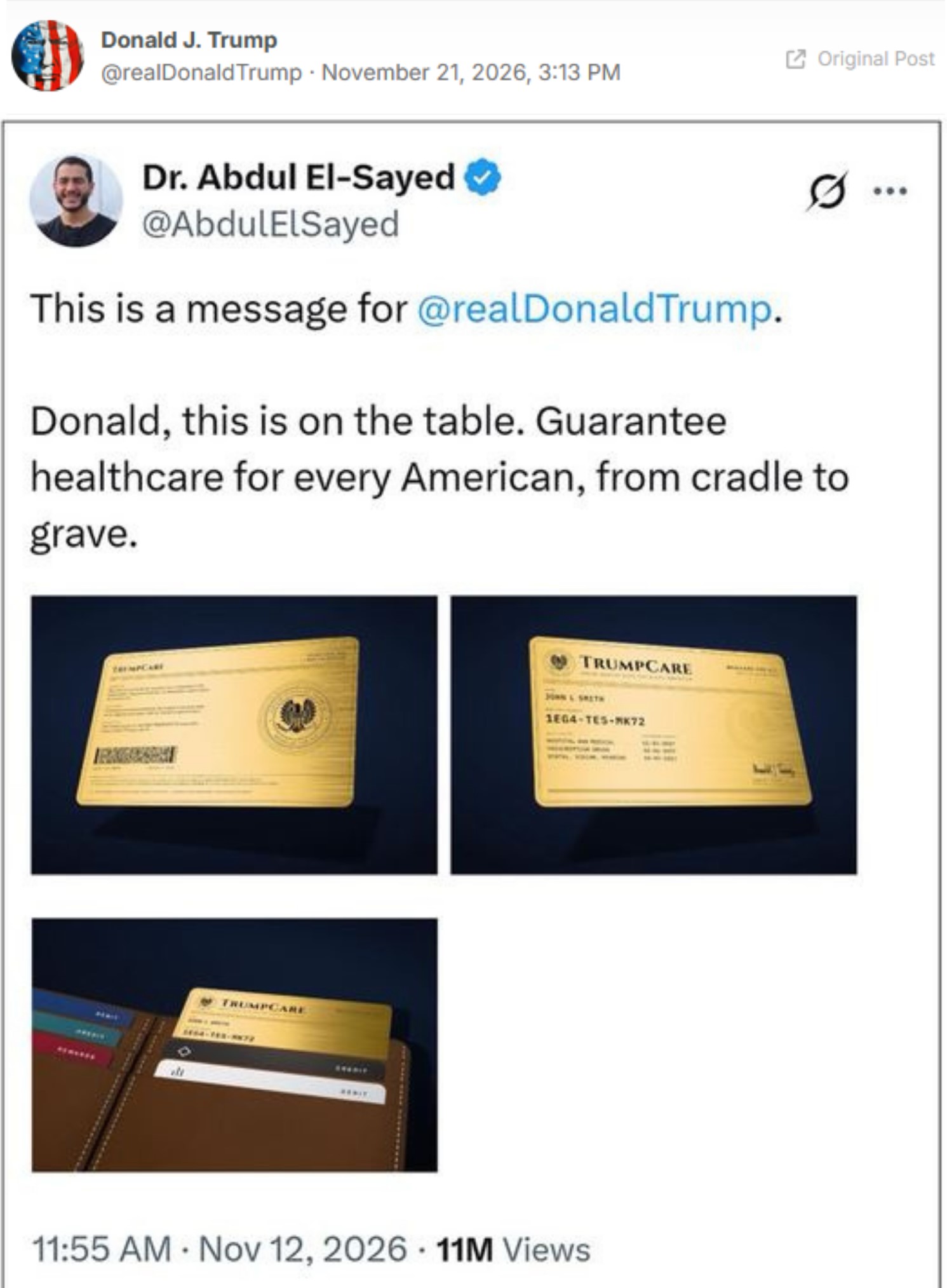


 It appears democracy is too important to be left to voters.
 If you’re a baby boomer, you likely remember Rod Serling’s
 Back in the day, intellectual Francis Fukuyama wrote The End of History and the Last Man.
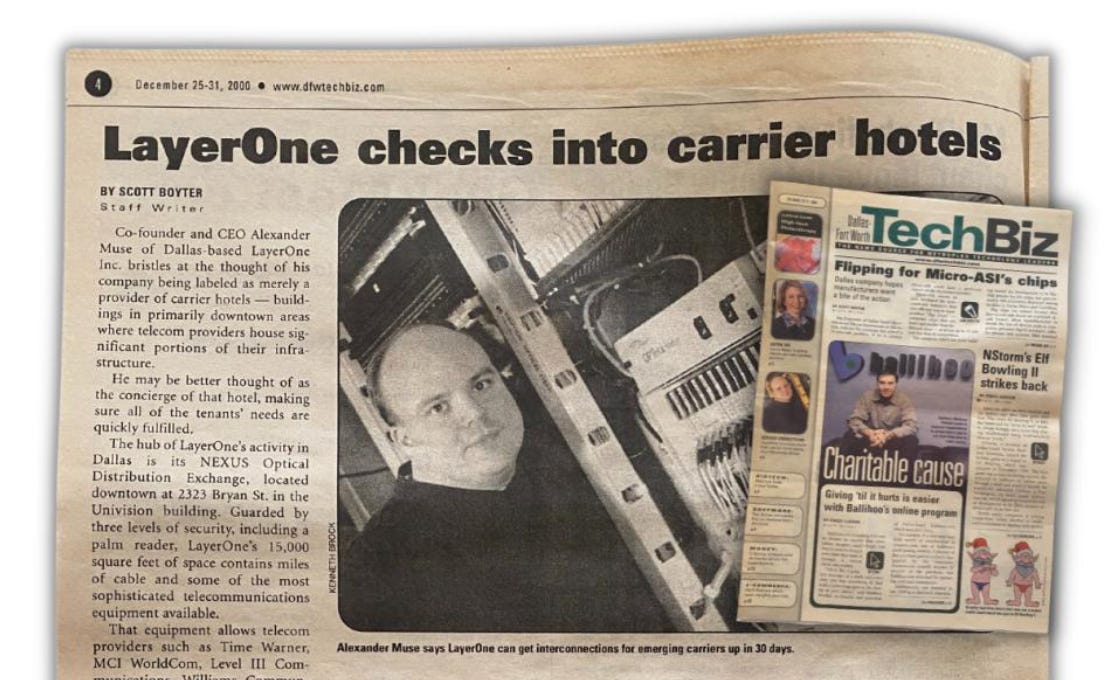 I spent the late 1990s and early 2000s building data centers in the middle of America's largest cities.