




PUTIN IN IRAN
If you were Vladimir Putin, what would you think of Iran? You'd worry a lot about it, that's what.
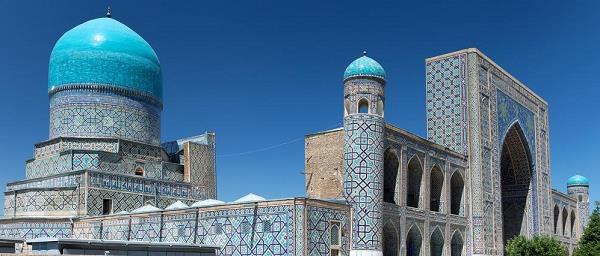
Your own Russia is losing Russians, due to the usual grim demography that characterizes most of Europe. And, like the others, you've got a Moslem problem, with surging birthrates both within Russia and all along its borders, from Chechnya to the ‘Stans. Lots of those Moslems are under Iranian sway. The Iranians want to build on that foundation to extend their power deeper into your domain.
You therefore want to see this regime destroyed. The last thing in the world that you want is a gigantic Chechnya, armed with nuclear weapons, launching waves of fanatical terrorists against infidels like you.
But you don't have much of an army any more, and anyway you don't want a war with the mullahs. Direct attack is not your way; you prefer cunning. You'd rather have someone else do your dirty work for you. Someone like Israel, or better yet, the United States. And best of all would be to get the Americans to do it in such a way that the whole world condemns them for it.
So what you'd do is...