





HALF-FULL REPORT 10/16/26
 Globalism Is All Fun and Games Until Somebody’s Sovereignty Gets Hurt
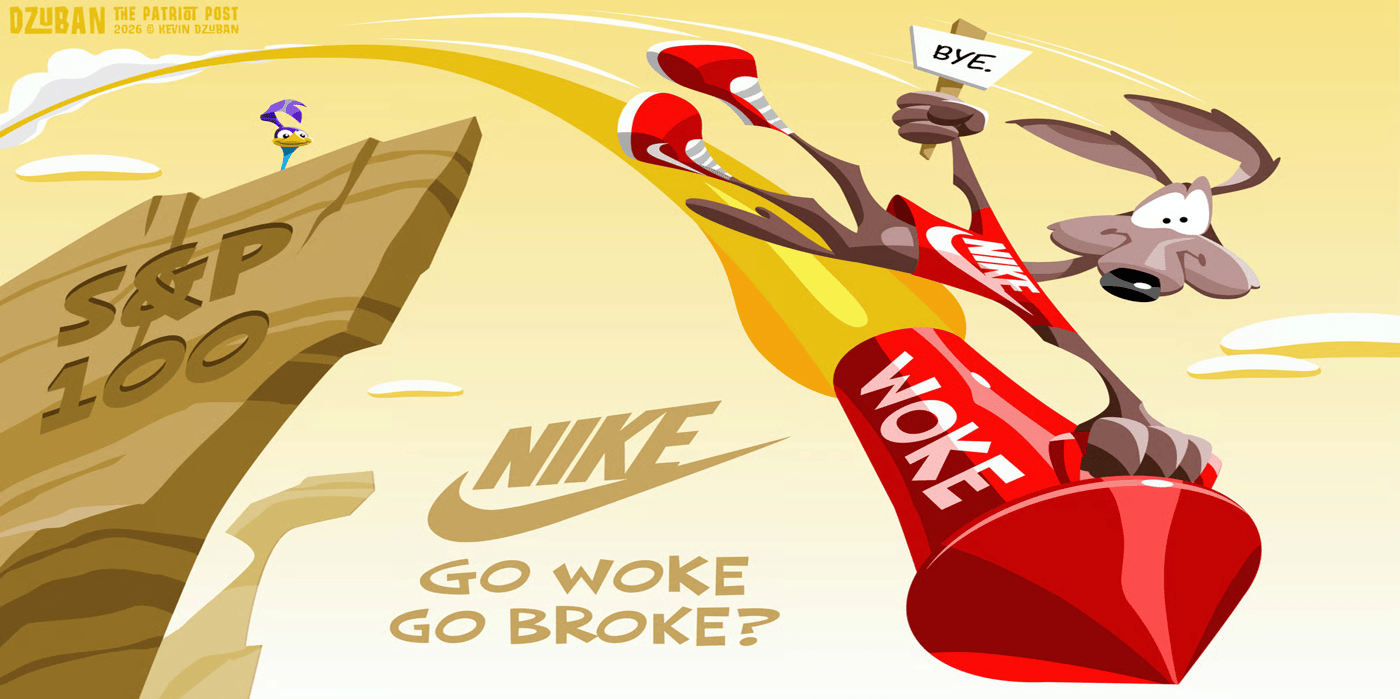
Globalism promised prosperity through cheap imports and international trade. Americans were encouraged to outsource production and trust foreign markets to supply their energy and materials. Everybody made money until dependence became a weapon. In March 2025, Ontario imposed a 25 percent surcharge on electricity exported to Michigan, Minnesota, and New York to pressure Washington over tariffs. The surcharge lasted only a day, but the shot heard round the world was unmistakable. A foreign government could deliberately raise energy costs for American businesses and families to influence American policy.
A nation need not be invaded to lose its sovereignty. It need only discover that foreign powers can cripple its factories, drive up its energy costs, and restrict its freedom of action without firing a shot. The warning is as old as the Republic: a nation that surrenders the means of its own survival eventually surrenders the freedom to govern itself. And by the time economic dependence becomes political submission, rebuilding what was surrendered may no longer be an option.
Consider diesel fuel. An American farmer can own his land, an American trucker can own his rig, and an American manufacturer can own his factory. Yet their operating costs are heavily influenced by international commodity markets, including a major diesel benchmark traded in London. Behind that market stands a network of powerful financial institutions. Meanwhile, Canada has demonstrated its willingness to use energy prices as political leverage, European governments have developed economic retaliation mechanisms, and major financial institutions have discussed using American dependence upon foreign capital as a negotiating weapon. Our economic vulnerabilities are well understood by people who may have every reason to exploit them.
But something remarkable is happening in America. In Minnesota, an enormous new iron ore processing plant is preparing to supply the raw materials for an $18 billion steelmaking program. In Maryland, the historic Sparrows Point industrial site is being transformed into a modern naval manufacturing center, supported by billions in private investment and military contracts. These projects represent more than construction jobs. They are efforts to restore America's ability to produce its own steel, manufacture its own military equipment, and rebuild the skilled workforce upon which an industrial civilization depends. Meanwhile, Europe faces serious challenges involving energy security, advanced semiconductor production, and artificial intelligence infrastructure. The industrial balance of power is changing.
Zero to 60 mph in 0.81 seconds.
Let's talk about it in this week's Half Full Report, where the glass is filling to the brim and America is on the move.
 Join the forum discussion on this post

 “There are certain social principles in human nature, from which we may draw the most solid conclusions with respect to the conduct of individuals and of communities.” —
 Durk’s fierce interest in the extension of life, not only in years but in vitality right to the end, was, one might say, ageless. [Don’t blame that dad-joke on Michelle, it was all me. But still true.] Durk wasn’t interested in a dwindling but long old age. His goal was vibrant good health right up until one was used up.

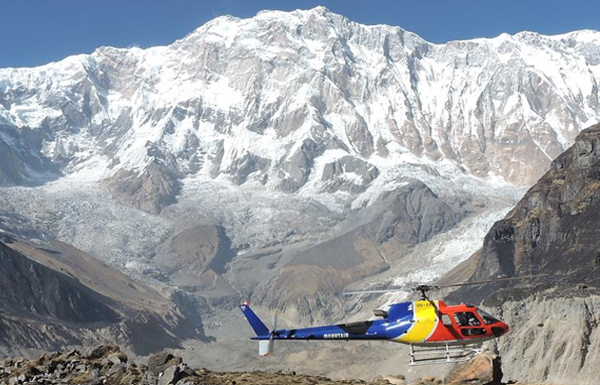
 This is one of the magical places we experience on our Himalaya Helicopter Expeditions. An independent kingdom for 650 years in the remote Mustang region of Nepal, it is one of the last places of traditional Tibetan culture on earth, unchanged for centuries. There are sky-caves here – apartment complexes carved out of vertical cliffs 2,000 years ago – Drok-pa nomads in the high pastures, spectacular sacred ceremonies, all in a mysteriously beautiful setting where the Himalayas meet the Tibetan Plateau. (Glimpses of Our Breathtaking World #86 Photo ©Jack Wheeler)