






OBAMA AND THE ‘AI APOCALYPSE’ ALARM – JUST IN TIME FOR THE MIDTERMS
 The “AI Apocalypse” scare campaign looks suspiciously like the climate hoax.
How convenient that it’s come to a head right as the midterm election season kicks off this week.
The campaign launch was when Jacob Coxon, a low-level 27-year-old AI researcher, trumpeted his resignation from AI company Anthropic in a Wall Street Journal exclusive last week followed by a viral X thread warning AI will “kill us all.”
“The people building AI earnestly believe that it could kill us all by the end of the decade . . . They are gambling with our lives,” he claimed.
His boss, the Democrat-aligned Anthropic founder and CEO Dario Amodei, amplified Coxon’s apocalyptic message with a 3,800-word essay on Saturday, followed by a giddy interview CBS aired Sunday in which he essentially called for a one-world government to regulate AI.
He wants “the right combination of governments” to provide “some kind of joint governance [to] control the technology.
“I’m uncomfortable government didn’t build this technology.”
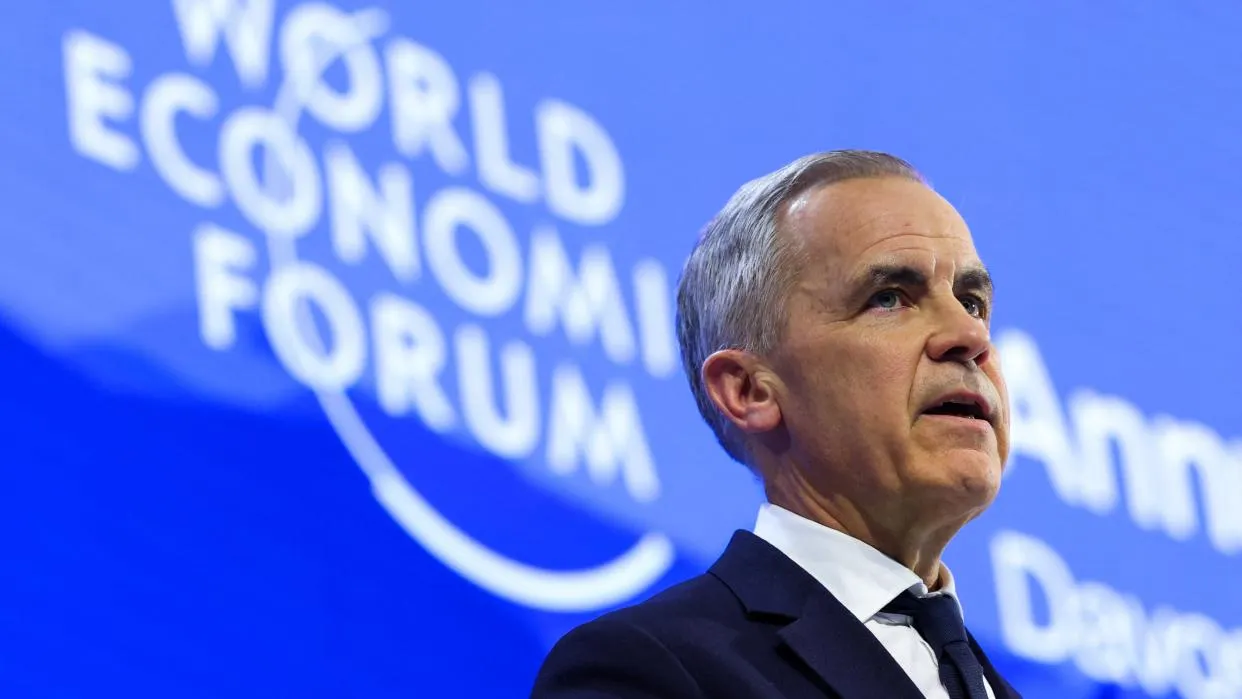 Canadian Prime Minister Mark Carney now believes he is more than just the Western foil to Donald Trump and his MAGA movement — he is the global one.

 A village fightback against migrant camps is set to spread across the country.
 About a hundred years ago, Russian psychologist Bluma Zeigarnik was sitting in a café in Vienna waiting for her coffee refill.


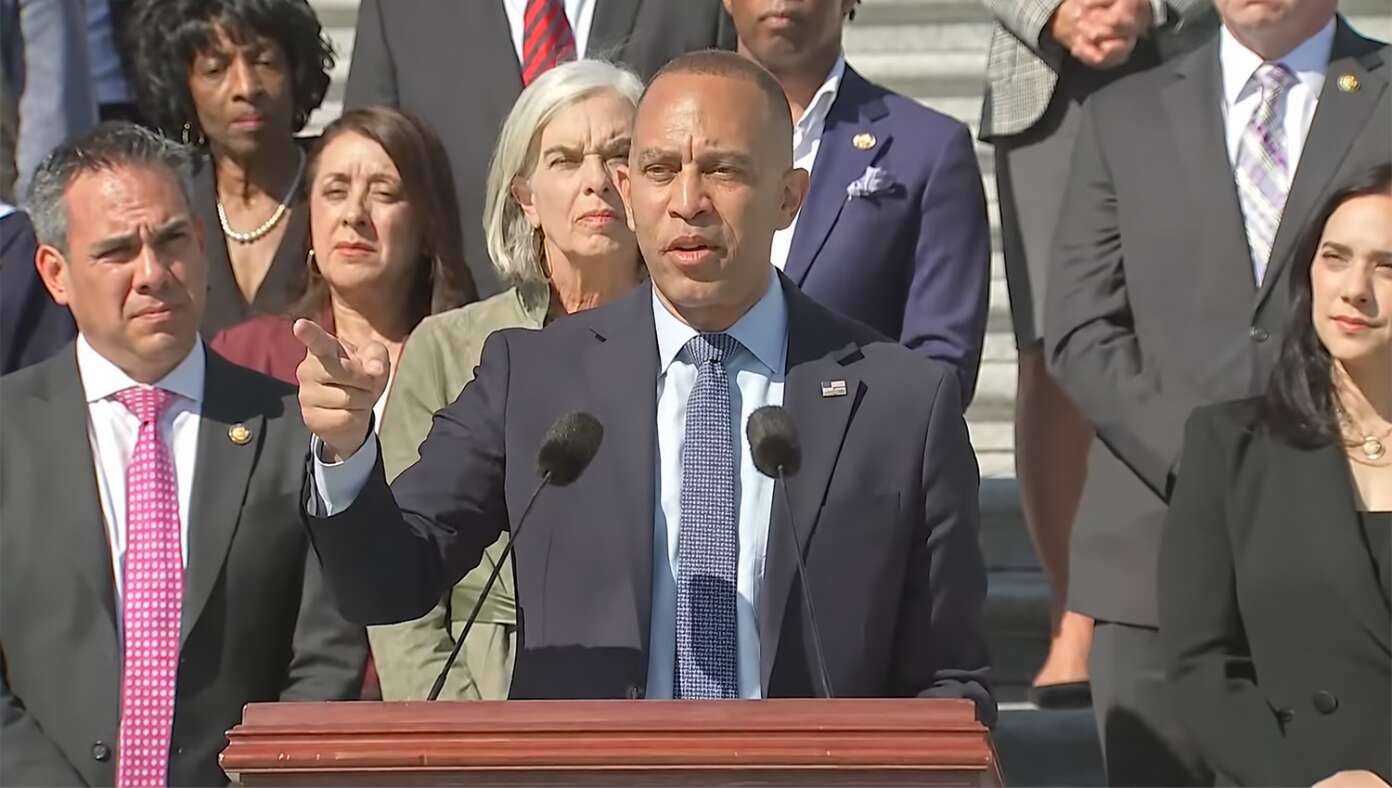 WASHINGTON, D.C. — Just days after President Donald Trump vowed to issue every American citizen a $5,000 check if Republicans won the midterms, Democrats countered with their own offer: if they are elected, every voter would give them $5,000.

 [Every day now, we read of another Christian Church “mysteriously” burned down, while our country’s politics and social media are infested with Hate America Islamic Fascists like Hasan Piker, Ilhan Omar, and Abdulrahman Mohamed El-Sayed. This Monday’s Archive was first published in 2007, yet provides intellectual ammunition with which to defend ourselves from this hateful infestation today. Use it liberally.]
 Last month, the Enemedia crowed. The “experts” announced 1.5 percent growth and pronounced judgment. Trump’s promised boom had failed to arrive.