






CONFUSED OLD MAN YELLS AT NATION FOR AN HOUR
 Last night (3/01), a confused political hack from Delaware staged a one-man insurrection by invading the sacred precincts of the Capitol building, hijacking all the TV networks, and yelling that the planet would be destroyed unless we gave him all our money so he could burn it and turn it into green energy.
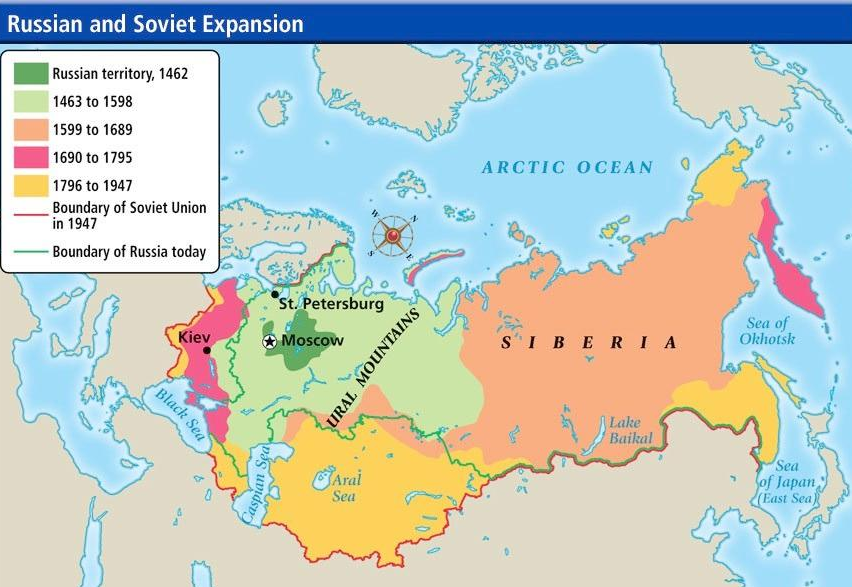
With the price of gas, homes, and groceries out of the reach of most Americans, Biden began by taking credit for doing nothing to stop Putin from invading Ukraine. And then vowed that he, along with a coalition of “freedom loving nations” would fight Putin until the last Ukrainian.
During his unhinged tirade, Biden revealed a plan to end women’s sports in America, but failed to name one thing that would actually stop Putin. Except locking Vladimir in a room and forcing him to listen to a Biden speech.