Dr. Jack Wheeler
December 18, 2015
When I was 16 years old, I went to the Amazon by myself and was adopted into a clan of Jivaro headhunters – the ones who shrink the heads of their enemies killed in murder raids.
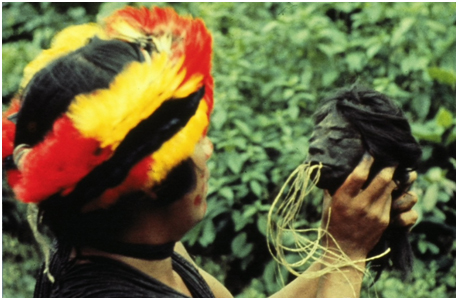 I learned that their sense of reality was the polar opposite of ours. This week I learned that it’s not.
Two weeks ago, the theme of the HFR was derangement. Last week’s was absurdity. We’re way beyond both this week. We’re into hallucinatory reality.
The Jivaros’ religion, you see, is based on taking a hallucinatory drug they call natema made from the Banisteriopsis caapi vine which they boil to make a tea.
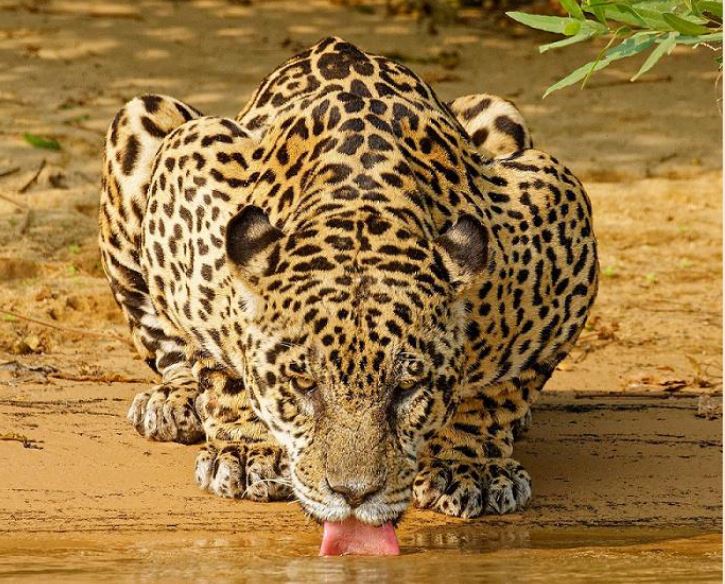
The hallucinations experienced under natema are very similar of those of LSD. The experience is orchestrated by the clan’s uvisheen or shaman, so that when he directs the participants to see the Jaguar God or the Snake Goddess leap out of the campfire, they do – and know it’s real because they can confirm with each other they are seeing the same thing.
It turns out that use of banisteriopsis tea in religious rituals is widespread among native peoples in Ecuador, Peru, Colombia, and Brazil – such as the Quechua (descendants of the Incas), who call it ayahuasca, the vine of the soul.
The basis of their religion is that the drug enables them to “part the veil” of what we think is reality, and see a “higher” reality. In other words, they believe that the hallucination is reality, the real reality, while what normal people call reality is a hallucination, that “reality” is an illusion.
This inversion or hallucinatory reality is of course a form of full-blown insanity – and is what we are experiencing now in America, from believing that homosexuality is normal and heterosexuality is not to “Islam is a religion of peace.” Yet this week we seem to have reached an apotheosis of this reality-inversion.
Read more...