



FLASHBACK FRIDAY: A SULTAN’S ARABIA
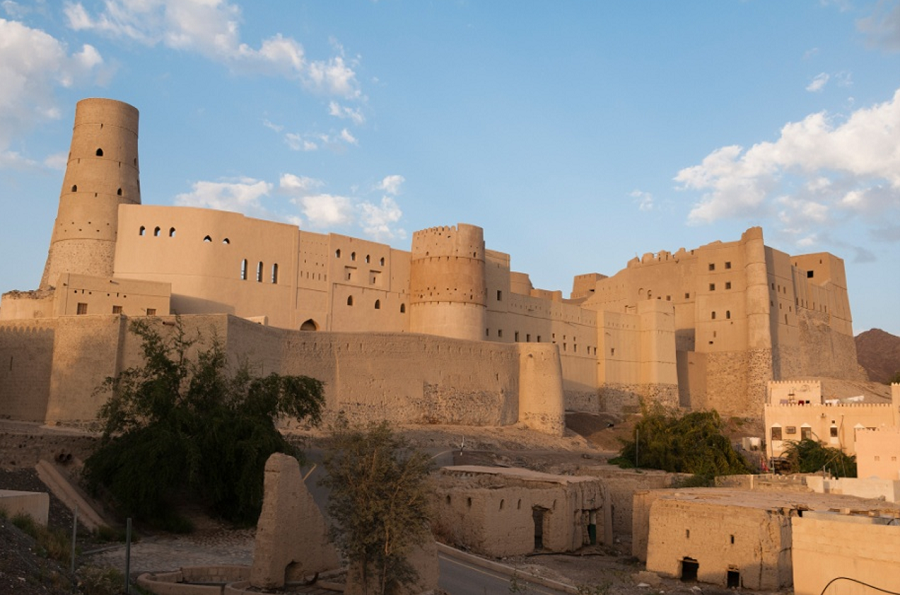 Nakhal Castle, Oman. If you want to see an ultra-rich Arab sheikdom with exotically designed skyscrapers, you go to Qatar or Dubai. But if you want a more genuine Arabia of Sultan’s palaces, of forts and castles perched on rocky crags, of traditional villages tucked away in mountain fastnesses, of rock pools and grottoes gushing with spring water hidden in secret valleys, a place out of Arabian Nights rather than one of garish ostentatiousness – then you come here to the Sultanate of Oman.
Omanis are a polyglot people from all over Arabia, Persia, and India who’ve lived here for millennia, creating a cosmopolitan trading society that adheres to its traditional culture. There are fabulous hotels with great bars, concerts by the Omani Philharmonic Orchestra, and once outside the capital of Muscat, an Arabian wonderland so exotic it seems out of a movie. We'll be here again. (Glimpses of Our Breathtaking World #119 Photo ©Jack Wheeler)
 Join the forum discussion on this post

 According to
 [TTP: Continuing from yesterday…]

 A healthy relationship with the truth is essential for a happy, successful life.