







THE NEXT CHINESE BOOM HAS COME AND GONE
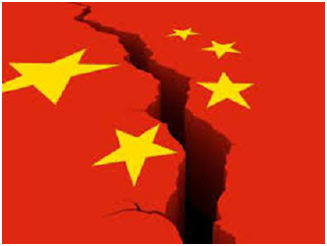 As the Dow flirts with Trumpian heights of 20,000 on Wall Street, the Shanghai Composite in China has been drifting down for seven consecutive weeks.
It is hard to construct a case that reconciles this split, given the tightly intertwined nature of the world's financial system and the trans-Pacific symbiosis that we call Chimerica. One of these two markets must reverse.
If you are waiting for the next Chinese boom, you have already missed it. The latest 18-month mini-cycle has peaked. The authorities are being forced to tighten. China's $9 trillion bond market is seizing up.
Forty companies have had to cancel or postpone bond issuance this month. Nomura says 24 large firms are in default negotiations, ranging from steel and construction to shipbuilding, chemicals, textiles, and solar.
Beijing let it rip earlier this year with a fiscal deficit of 4% of GDP - a one-off loosening of two to three percentage points that you would expect only in an emergency - and it deliberately stoked a housing bubble in the cities of the Eastern seaboard.
The stimulus was comparable in scale China's post-Lehman blitz, but the effects have been far less because the efficiency of credit has collapsed. It now takes four yuan of loans to generate one yuan of growth. Since there has been almost no underlying reform, this has merely bought time at the cost of greater imbalances.