





HALF-FULL REPORT 11/04/16
"It ain't over till it's over."
How long have we heard that Donald Trump was not only doomed, but 30-points-down doomed? Done deal. Hopeless. Not even worth talking about. I'm not telling you he'll win today. But I am telling you he can win.
In a race between the two most hated people in the history of major party nominees, the one who can drive the other's negatives higher is going to win.
*******
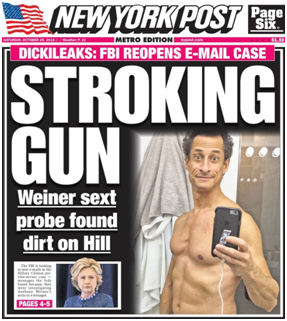
Comey's bombshell re-opening of the FBI's case against Hillary Clinton -- as a result of the discovery of over 650,000 previously undisclosed emails on a computer owned by Huma Abedin and her estranged husband Anthony Weiner, under investigation for child porn -- is, of course, the impetus for the transformation in Trump’s fortunes.
*******
So let’s come full circle and look at the polls.
Trump is now beating Clinton 53-43 among voters who’ve made up their minds. That’s a very, very big deal
*******
This is the week's HFR leading up to the Presidential Elections! You can't miss this!!!