




A TEXAS FLOOD
 Texas is a benchmark for the rugged, frontier aspects of Americana.
Founded as an independent republic in 1836 and incorporated as a U.S. state in 1845, it has its own historical character—a part of the U.S., but at the same time one that entered the U.S. under unique terms and by its choice following prior independence, a product of a unique cultural progression.
Few of the first migrants to the region characterized Texas as “beautiful.”
There is beauty if you look for it, certainly, but the same qualities can make Texas inhospitable and dangerous.
Until the railroads appeared and began to shrink the frontier into a more accessible box, and the Texas Rangers and repeating firearms drove off the Comanches, it was thought of by most as a dangerous wilderness.
Our first Anglo arrivals encountered the thicket of East Texas; a suffocating, lush green barrier that is good for farming, if you can clear it out.
Old photos show us that many of the trees, having grown over eons, created an environment like triple canopy jungle.
Likewise, the coastal plains further south tend to be flat and unremarkable, with low trees; good for farming and cattle, but pretty unremarkable as far as scenery.
Going westward from this region, you find the Hill Country.
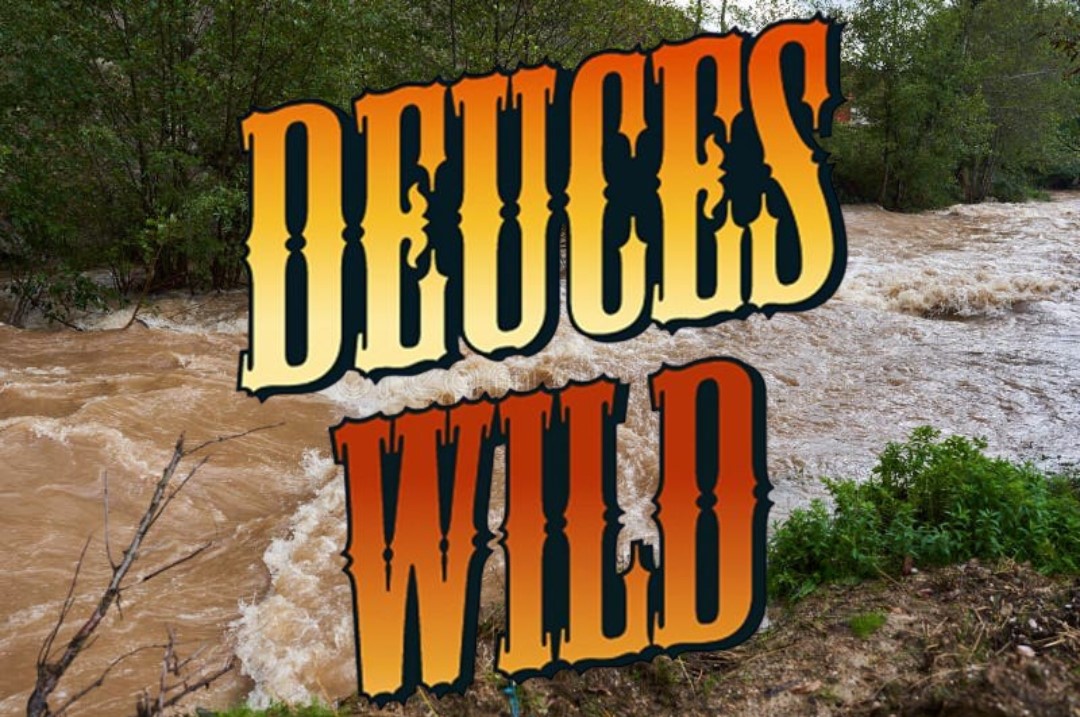
It was in the early hours of July 4, 2025 that historically heavy rains in the Texas Hill Country generated a flood event that would claim the lives of 27 campers there—many of whom were young girls.
Over a hundred other people in other riverside camps, tents, and RV parks in the same region would also die after being swept away in the night.
But what is most important about this story is not the description of how tragic the events were—which no one argues with—but what is happening in the aftermath, and what this says about the modern state of Texas.
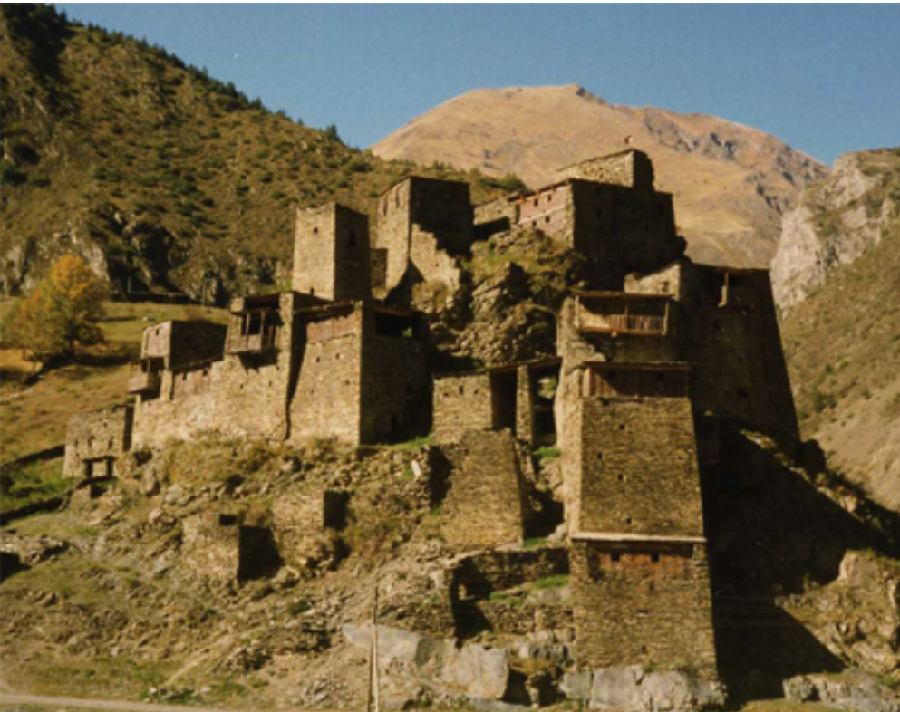 This is the fortress town of Shatili in an extremely remote Caucasus region in Georgia called Khevsureti. It was built by the Crusaders 1,000 years ago. The Khevsur people who live here trace their ancestry back to these Crusaders and until the 1930s still wore chain mail in feud-battles with other towns. I took this picture in 1991.
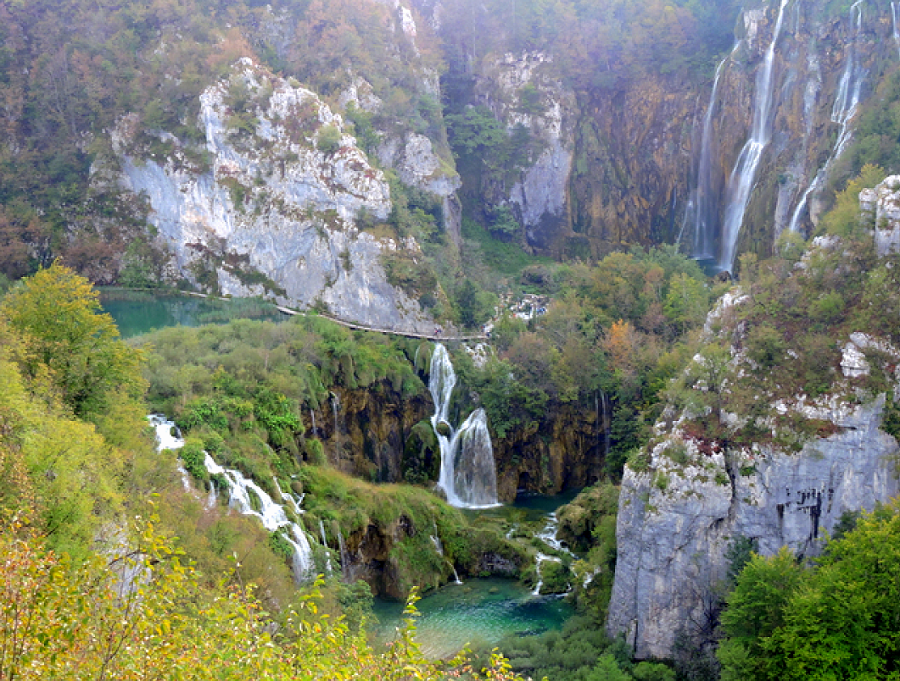
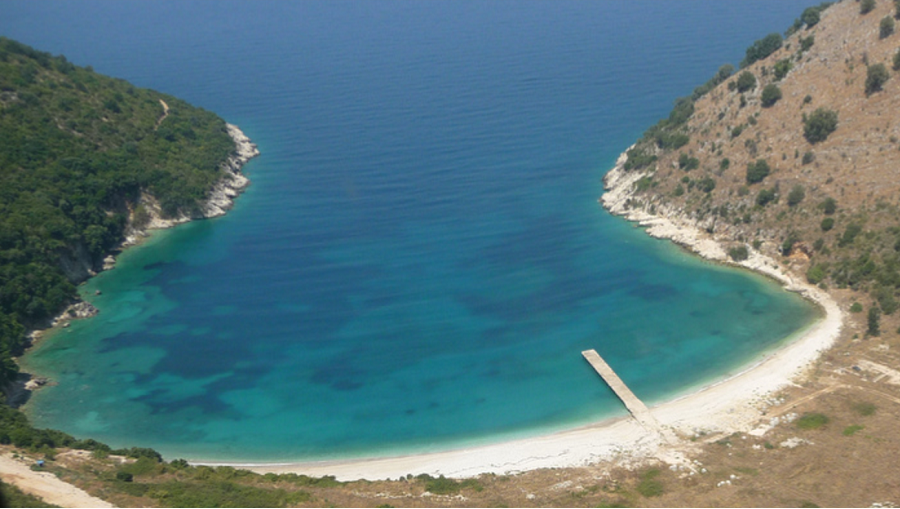 In the Mediterranean, experienced travelers know the French Riviera from St. Tropez to Menton, and the Italian Riviera from Ventimiglia to Cinque Terre. There is one Riviera in the Med they may not know – Albania’s. The Med has many beautiful coastlines, and just about all of them have been “discovered” by jet-setters to backpackers. Not yet, however, for Albania from Saranda in the south across from Greece’s Corfu to Vlora across from the tip of Italy’s Boot Heel.

 John Solomon is reporting on previously suppressed information indicating that, as early as 2020, we knew the Chinese were trying to interfere in our elections, and that this intelligence was covered up.
 In all the tens of millions of words that have been written by the mainstream media about the Trump-Russia collusion story, in all the hundreds of names that have appeared within those often-breathless filings, one name almost never appears: