



BRICS BEGINS TO BREAK
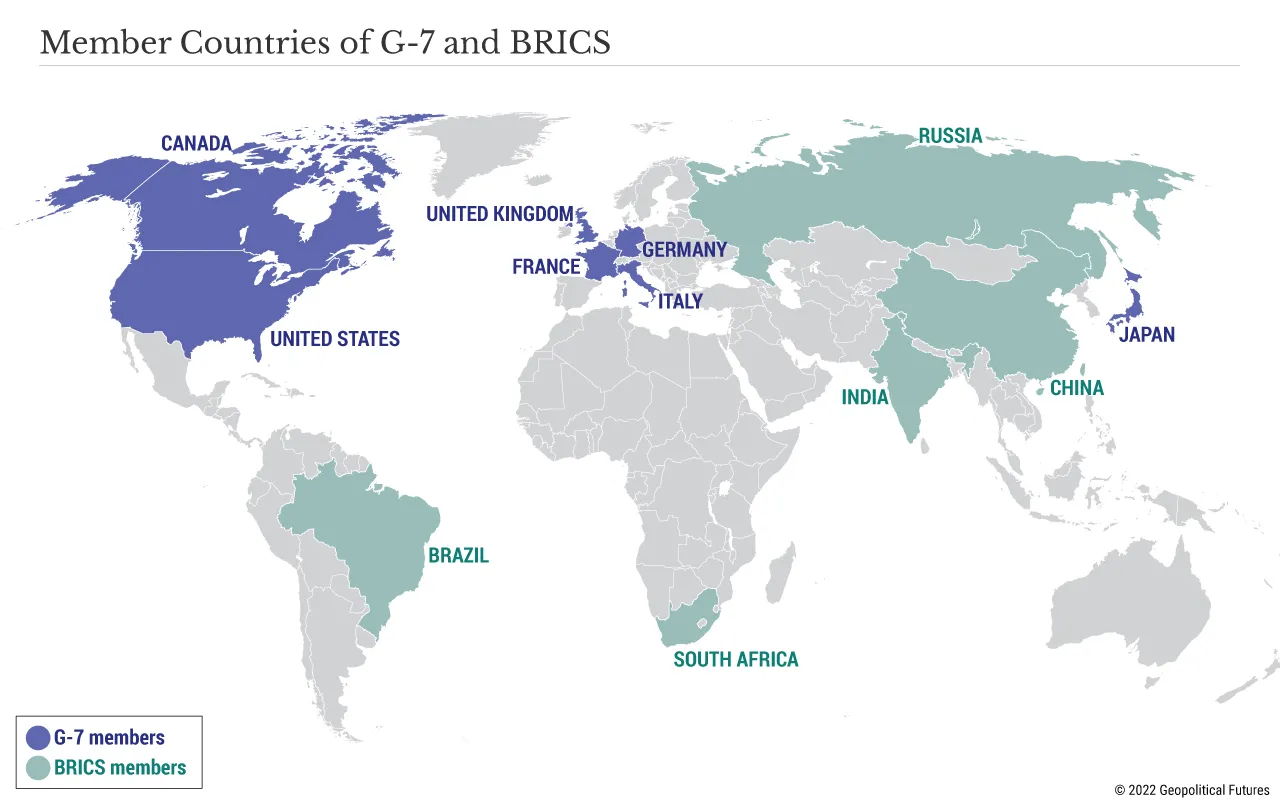 Sometimes, major historical shifts are virtually invisible.
That’s what just happened in India, and it upends 80 years of geopolitical calculus.
80 years is a very, very long time.
So here’s what happened. The Indian Ministry of Defense posted on X (formerly Twitter) that the Indian Navy has been carrying out raids and capturing Shadow Fleet vessels in India's Exclusive Economic Zone, starting on February 5th. About an hour later, someone deleted the post.
Hardly anyone noticed: Peter Zeihan, me, a handful of others.
But then Reuters and the Wall Street Journal (neither of which gave it serious coverage) confirmed the key details. It’s really happening, in the plural.
Why should you care? A little background will help.
India, Our Old Frenemy
India’s mythology is independence. Its identity since independence has been that it bows to no one. It has been reinforced for decades by a justifiable civilizational confidence: poor though it may be, India is not Belgium. India is a continental-sized power. It doesn’t “join blocs.” Blocs join it.
India founded the “Non-Aligned Movement” at the beginning of the Cold War, a mostly anti-American, mostly pro-Soviet group led through the years by such paragons of freedom and democracy as Josip Broz Tito, Gamal Abdel Nasser, both Fidel and Raül Castro, Robert Mugabe, and perhaps my current favorite, Mahmoud Ahmadinejad.
It’s also a founding member of BRICS (it’s the “I”), the transparently anti-U.S. alliance that will surely displace us, replace the dollar, blah blah blah.
And that’s the thing: for all its talk of “nonalignment,” India has always been all too aligned.
 When my autistic son, Hunter, was very young, he sometimes had explosive public meltdowns.
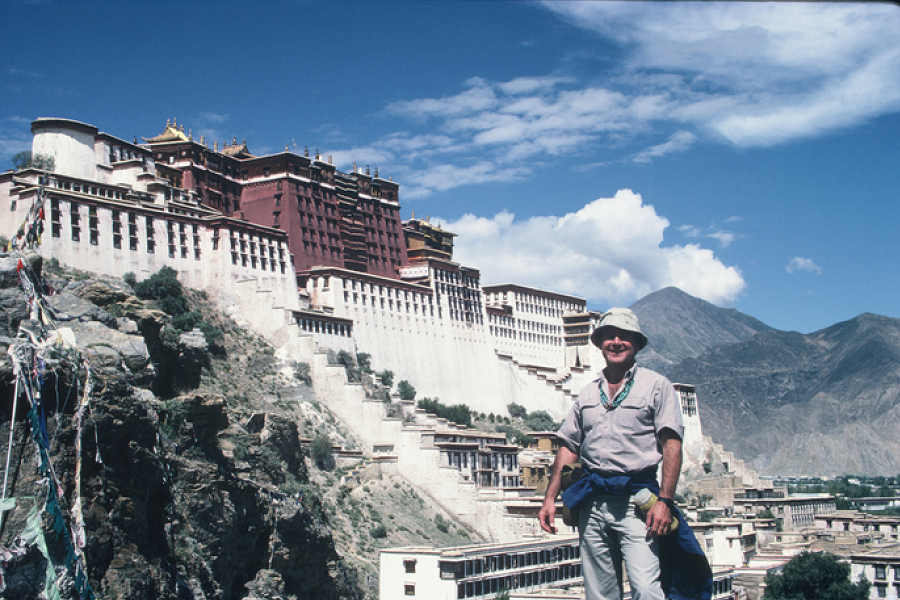

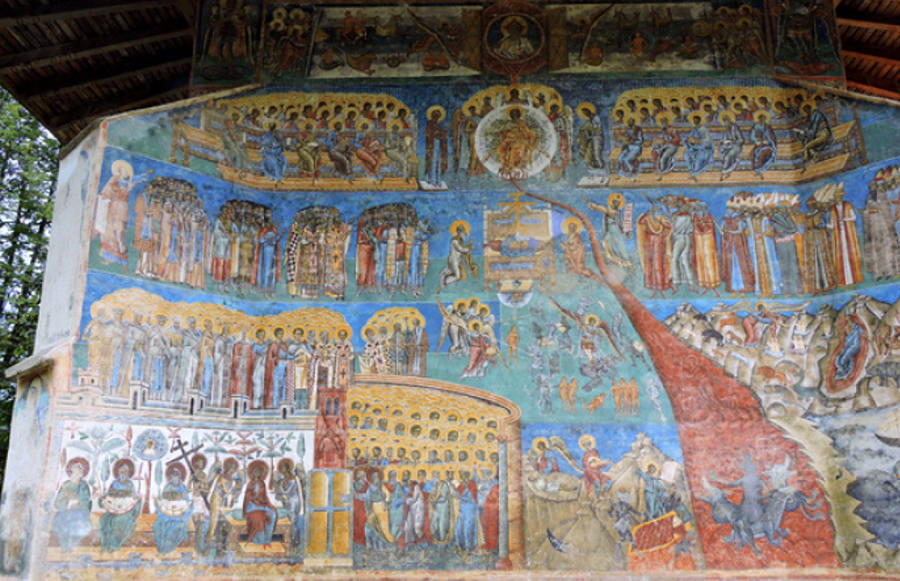
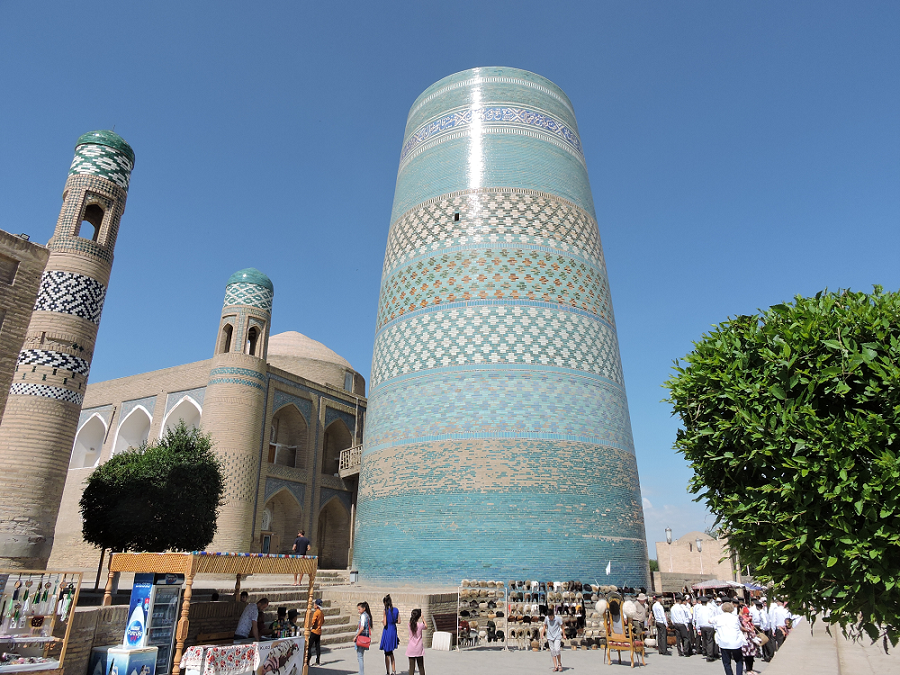
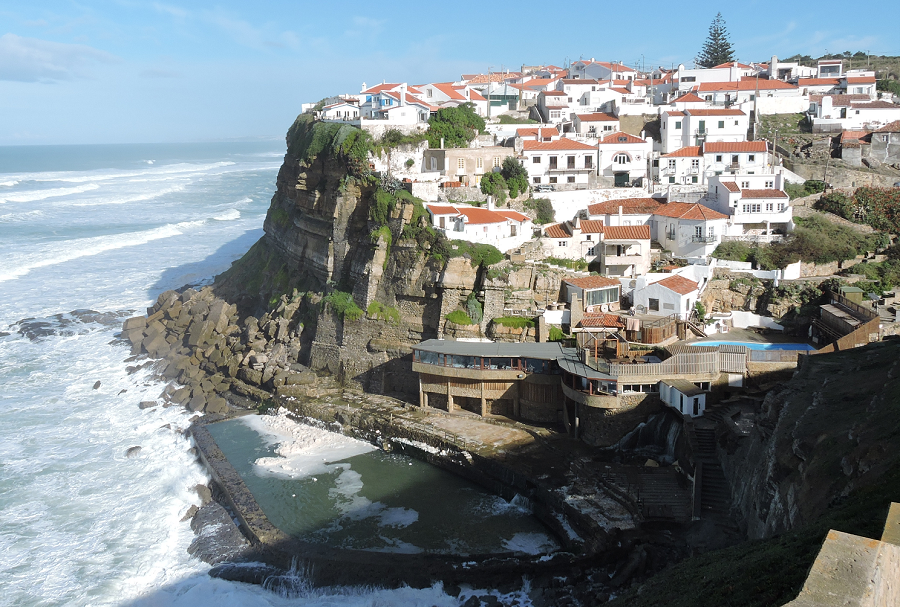 A cliff-top fishing village on the Italian Riviera? Nope, Azenhas (ah-zhane-yas) do Mar – Watermills of the Sea – is on the Portuguese Riviera. This is a magic place of fairy tale castles, thousand year-old fortresses, luxury boutique hotels, fabulous food, great wine, gorgeous beaches, and postcard-perfect scenery everywhere.
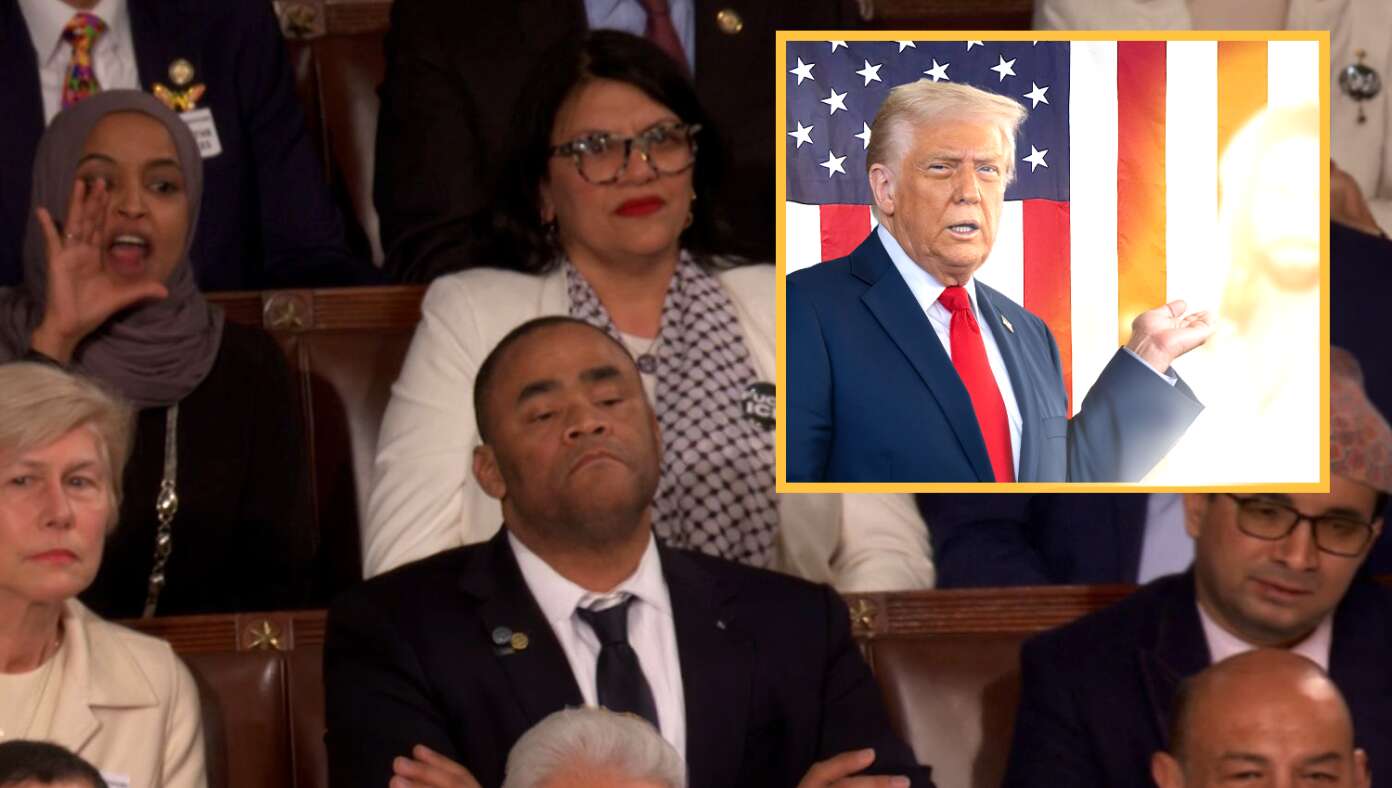 WASHINGTON, D.C. — In a night where lawmakers raised eyebrows by remaining glued to their seats throughout the president's State of the Union address, analysts later said the most shocking incident of the night was when Democrats refused to stand as Trump introduced Jesus.



 [TTP: Mature audiences may not be aware of Nick Fuentes or his “Groypers,” but our kids and grandkids almost certainly are. It behooves us to make ourselves aware.]
[TTP: Mature audiences may not be aware of Nick Fuentes or his “Groypers,” but our kids and grandkids almost certainly are. It behooves us to make ourselves aware.]
[TTP: Mature audiences may not be aware of Nick Fuentes or his “Groypers,” but our kids and grandkids almost certainly are. It behooves us to make ourselves aware.]
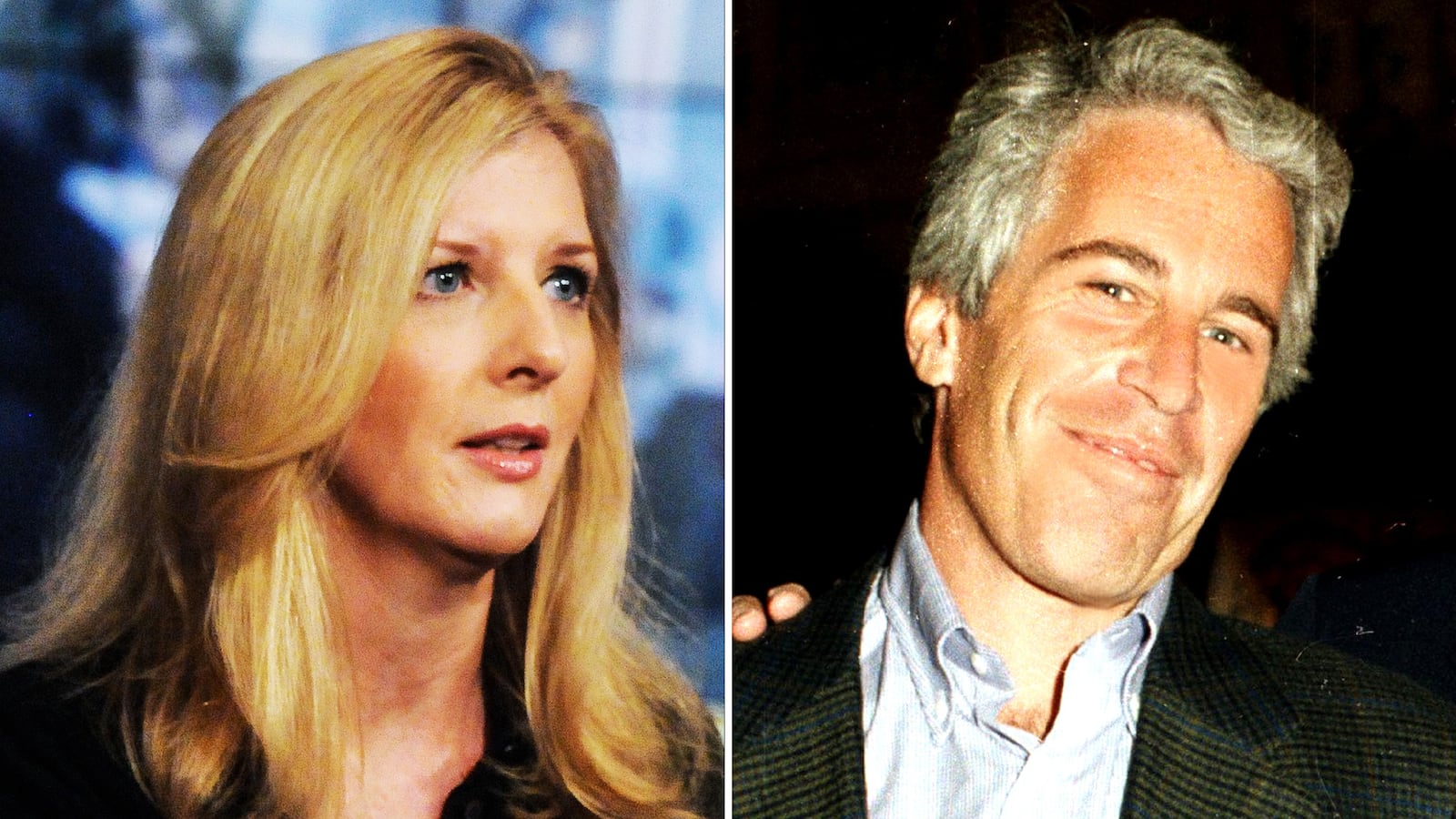 You may only now be hearing about Kathryn Ruemmler because of her connections to Jeffrey Epstein — including reports that she referred to him as “Uncle Jeffrey” and accepted a $9,400 Hermes handbag from him — but you have seen her work. Those associations ultimately led to her recent resignation from Goldman Sachs, yet Ruemmler, Barack Obama’s White House counsel and often described as a political “fixer,” has been near some of the most consequential controversies of the past two decades.
 Rarely is there a political issue like the SAVE America Act, which is extremely popular with the American people, but lacks support in the upper house of Congress. The SAVE America Act, if voted into law, would put an end to most vote fraud and election irregularities in America. About 80% of voters support the bill, yet it has less than 50% support from U.S. senators.