

THE NAZI LEFT AND THE SOURCE OF TRUMP HATRED
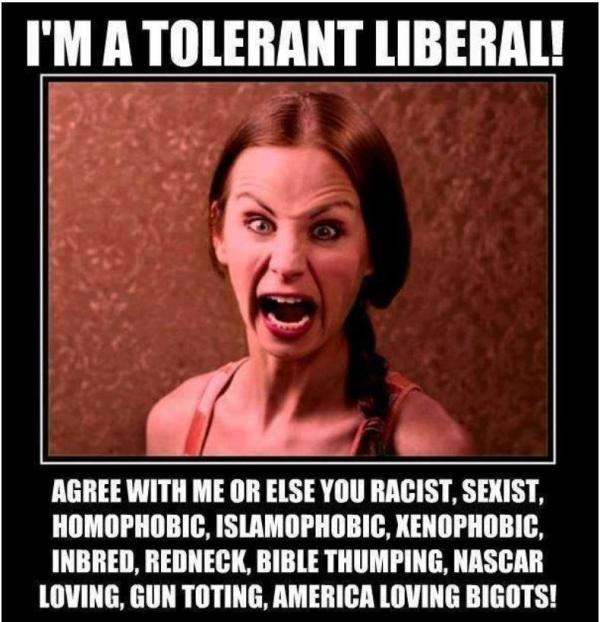 This is no hyperbole. Calling someone a “Nazi” is, along with “Fascist” the most ignorantly over-used hyperbolic insult the Left can hurl at anyone they hate.
Like the insult “Racist,” the Left has divested these insults of meaning, as are schoolyards taunts, “You stink!” or yelling “Boo!” and hissing at a referee’s bad call at a football game.
To call someone a Nazi for real is serious business. It’s accusing them of wanting to commit racial slaughter of fellow human beings on a massive scale. It’s accusing them of advocating a politics of criminal insanity, of being irretrievably evil and criminally insane themselves.
Yet that is what the Left in America is becoming before our eyes in broad daylight. You want to know how Germans, one of the most intelligent, accomplished, and cultured people on the planet became Nazis in the 1930s – look at what is happening to the Left, to the Democrat Party, to the Fake News Media right now.
The circumstances and proximate causes are different. History does not repeat itself. Here is what is happening now.