



THE TIDES FOUNDATION MODEL – POWER WITHOUT VISIBILITY
 The Tides Foundation rarely appears prominently in public debate, yet it occupies a critical position in modern American civic life.
It is not a political party, a campaign committee, or a government agency. It does not pass laws, issue rulings, or command police forces.
And yet, through its structure, it exerts influence over how laws are enforced, how public norms are shaped, and how activism is sustained.
This essay is not an accusation of illegality. It is an examination of architecture, the legal and institutional design that allows power to be exercised without visibility, responsibility, or direct democratic consent.
The name Tides itself was chosen deliberately.
It reflects a view of social change not as something achieved through elections, legislation, or singular moments, but as something that advances through cumulative, distributed pressure over time.
A tide is slow. It is not dramatic. It does not announce itself as an act of will.
It reshapes the shoreline through persistence, not force, and it is difficult to attribute any specific change to a single wave or actor.
That metaphor captures the organization’s founding philosophy: Durable change emerges from many aligned actions, operating across institutions, advancing steadily, and appearing natural even when driven by distant causes.
 Join the forum discussion on this post
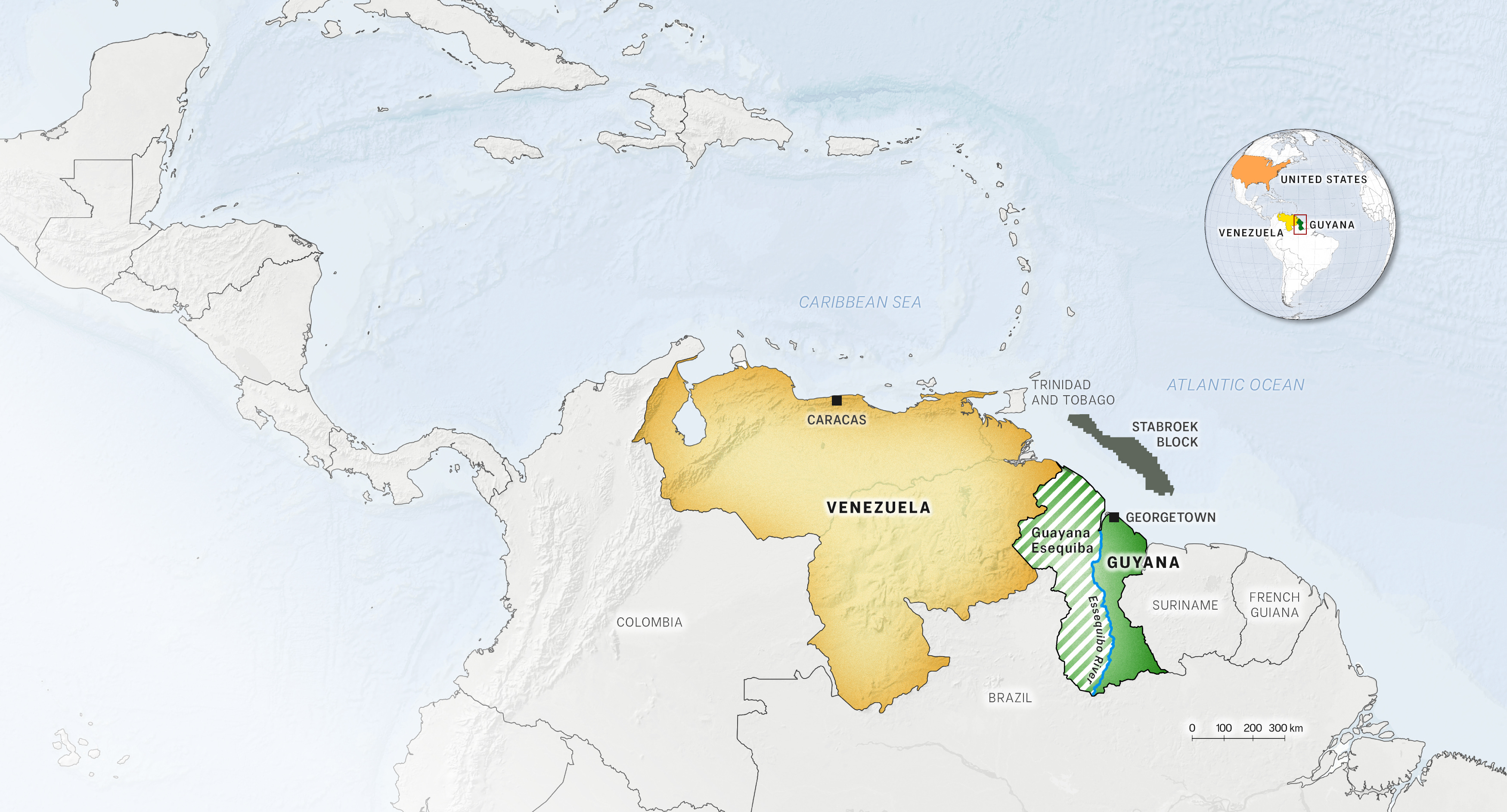


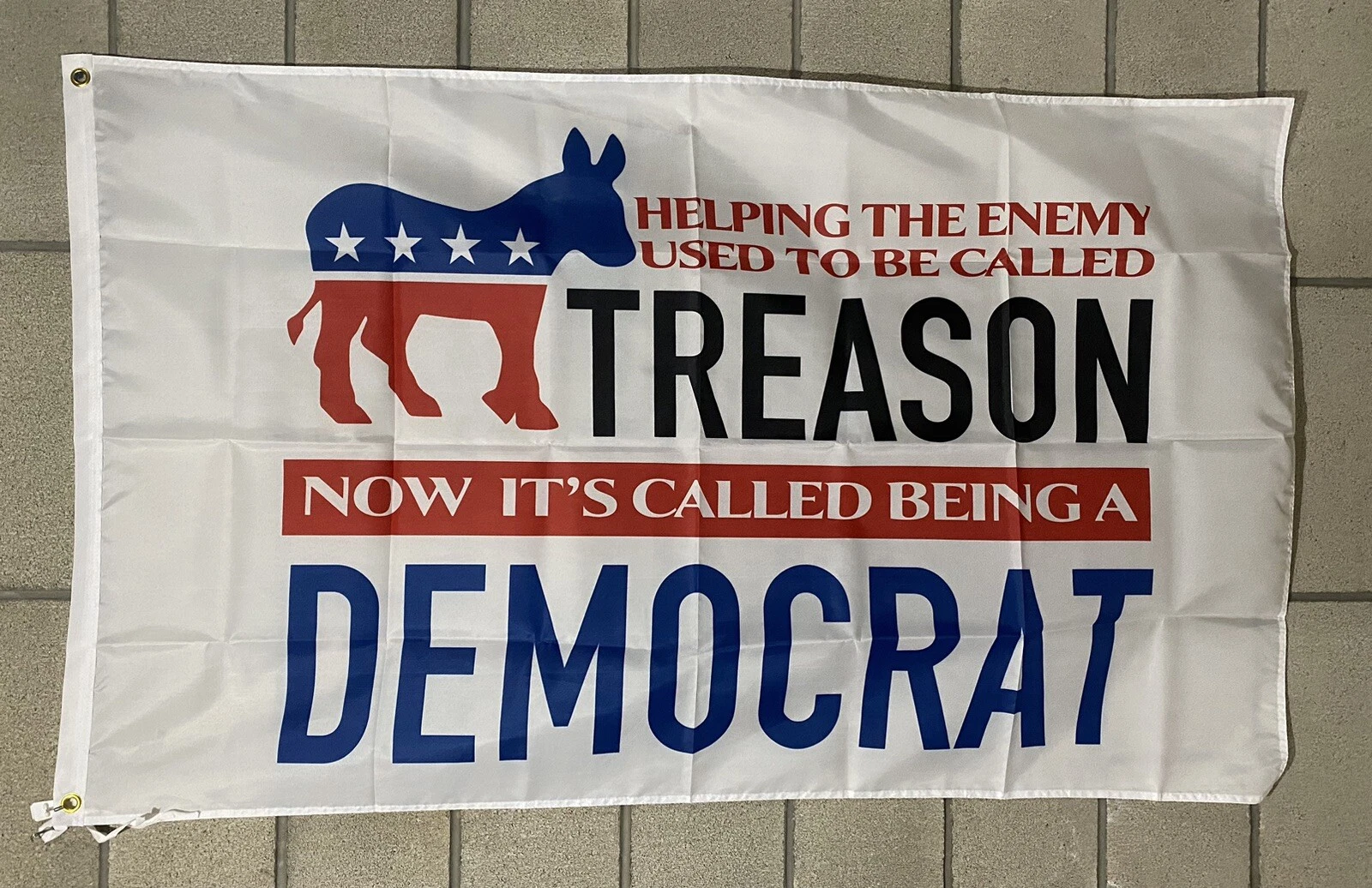 You knew it would come to this. Dems are so infected with TDS they have increasingly been driven out of their minds until now, finally, they have jumped the shark into full-blown, flat-out, unvarnished treason and actual criminal mental illness.

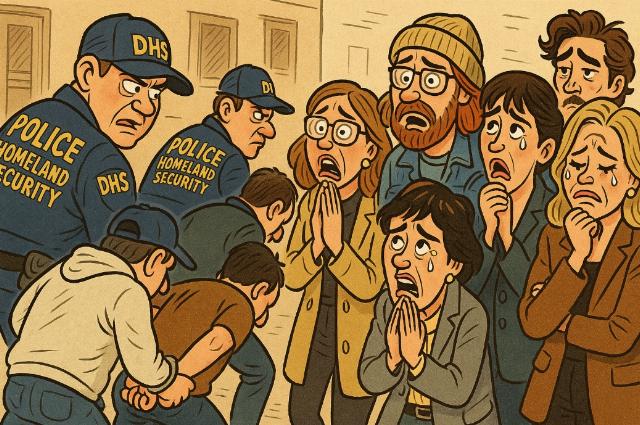 The Trump administration has been using all available resources to track down and then imprison or deport the “worst of the worst” illegal aliens in America, the ones whose criminality extends beyond living illegally in this country.