



THE DEATH OF PAN
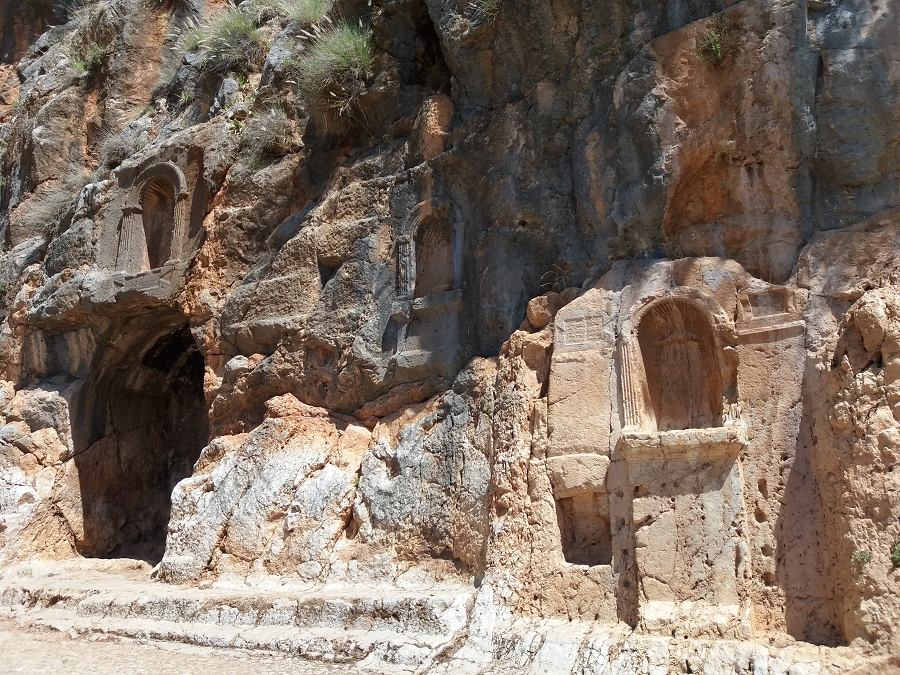 At the foot of Mount Hermon in northern Israel you find the Grotto of Pan, the Greek God of Nature, where pilgrims came from all over the ancient world to worship. Remnants of the huge Temple of Pan are here, together with the cave grotto where he lived when not at Olympus. The spring that gushes forth from the grotto is one of the sources of the Jordan River.
If Pan was ever disturbed, he would groan so loudly it would cause anyone who heard it to “panic” (panikos in Greek) – the origin of the term. Loudest of all was his last. The legend is that with the advent of Christianity replacing belief in the Olympian Gods, Pan died for lack of worshippers, emitting a death groan of agony from the mouth of the cave you see here so loud and terrifying it was heard throughout the Mediterranean. It’s a beautiful and peaceful place today. (Glimpses of Our Breathtaking World #51 photo ©Jack Wheeler)
 Join the forum discussion on this post


 There is a small but vocal strain of “America Only” commentary that endlessly repeats a falsehood: “We get nothing from our aid to Israel.”
 How fortunate Massachusetts is to have Bill Galvin!
 There was a very interesting article in
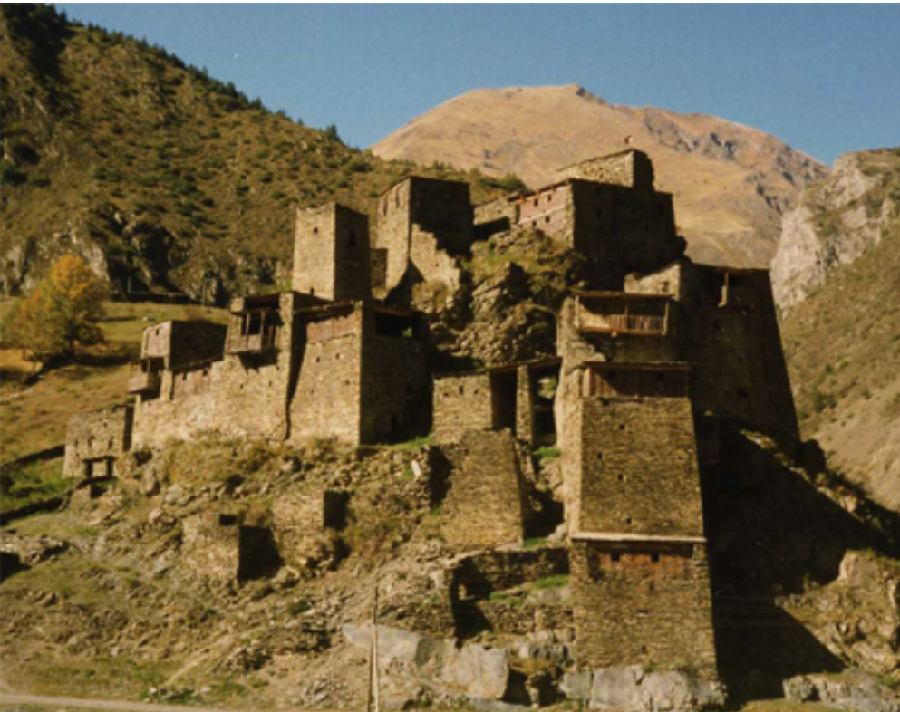 This is the fortress town of Shatili in an extremely remote Caucasus region in Georgia called Khevsureti. It was built by the Crusaders 1,000 years ago. The Khevsur people who live here trace their ancestry back to these Crusaders and until the 1930s still wore chain mail in feud-battles with other towns. I took this picture in 1991.
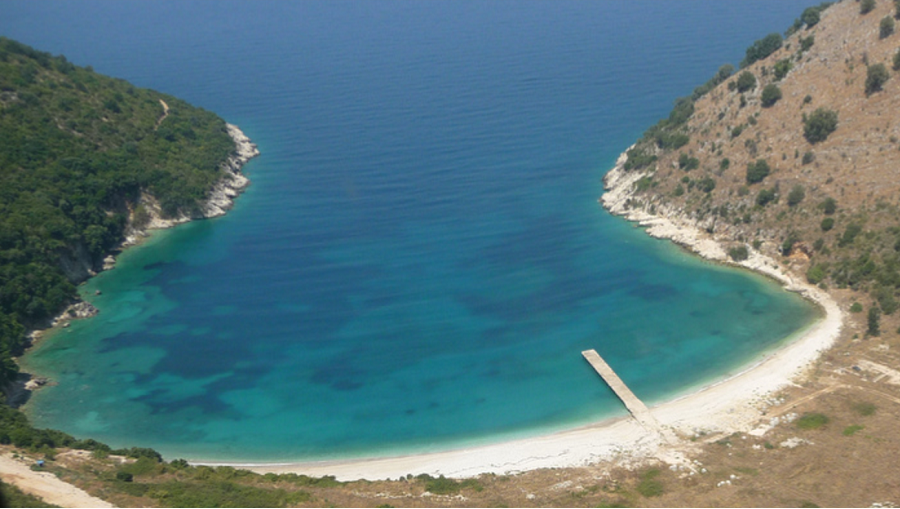 In the Mediterranean, experienced travelers know the French Riviera from St. Tropez to Menton, and the Italian Riviera from Ventimiglia to Cinque Terre. There is one Riviera in the Med they may not know – Albania’s. The Med has many beautiful coastlines, and just about all of them have been “discovered” by jet-setters to backpackers. Not yet, however, for Albania from Saranda in the south across from Greece’s Corfu to Vlora across from the tip of Italy’s Boot Heel.